Performed by Dr. Y. Pramoda Reddy at Dr. Y. Pramoda Reddy Fertility Specialist in Kadapa
Assisted Reproductive Technology (ART) in Kadapa encompasses advanced fertility treatments including IVF, ICSI, and other procedures that help couples achieve pregnancy. These scientifically proven techniques involve handling eggs and sperm outside the body to facilitate conception. Dr. Y. Pramoda at Mathrusri IVF Clinic provides comprehensive ART services with state-of-the-art technology and personalized treatment protocols.
We believe in honest, upfront disclosure so you can make an informed decision.
A step-by-step look at what happens during this procedure.
Injectable fertility medications are administered for 8-14 days to stimulate the ovaries to produce multiple eggs instead of the single egg that normally develops each month.
A minor surgical procedure performed under sedation uses ultrasound guidance to retrieve mature eggs from the ovarian follicles through a thin needle.
Retrieved eggs are combined with sperm in the laboratory using conventional IVF or ICSI (Intracytoplasmic Sperm Injection) technique to facilitate fertilization.
Fertilized embryos are carefully cultured in controlled laboratory conditions for 3-5 days while embryologists monitor their development and quality.
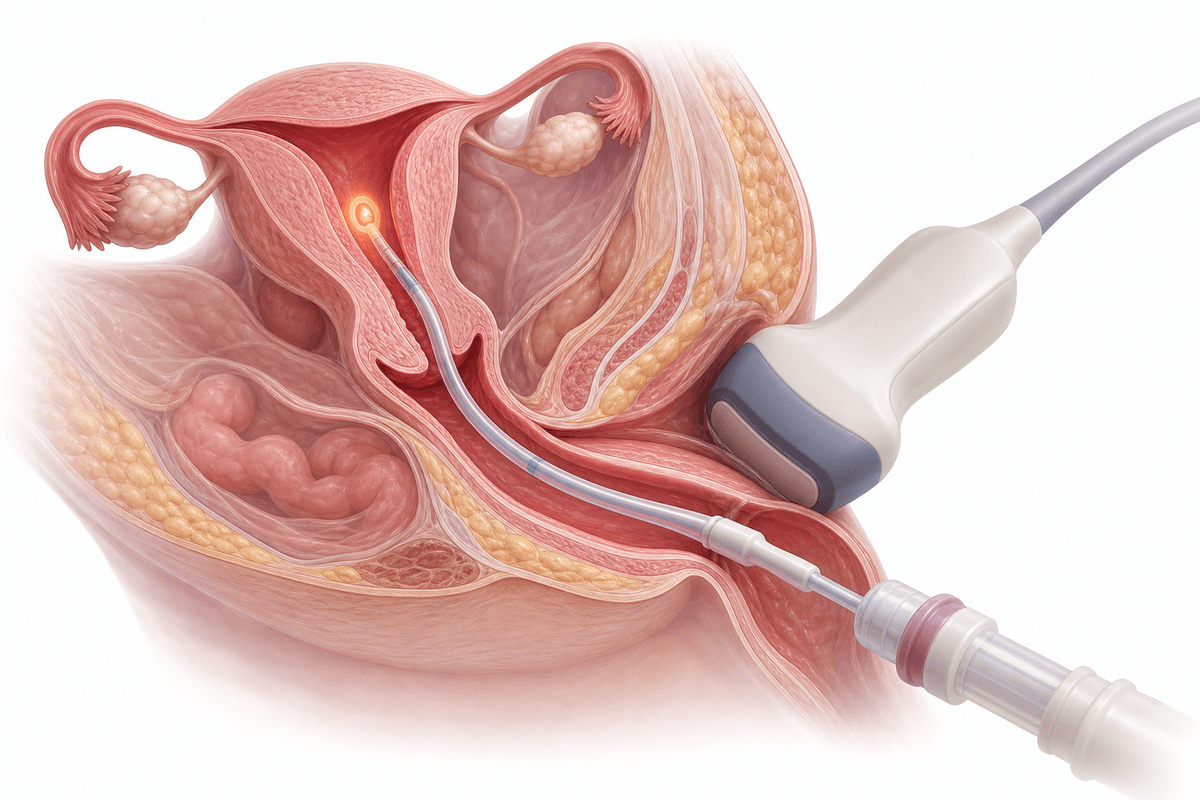
One or more healthy embryos are transferred into the uterus through a thin catheter, with remaining quality embryos cryopreserved for future use.
A structured, patient-first approach from first consultation to full recovery.
Mathrusri IVF Clinic conducts detailed fertility evaluations including hormonal profiles, ultrasound scans, and semen analysis to determine the most appropriate ART protocol for each couple.
Dr. Y. Pramoda designs individualized treatment plans based on age, ovarian reserve, previous treatment history, and specific fertility challenges to optimize success rates.
Our state-of-the-art embryology laboratory maintains strict quality controls with advanced incubators, air filtration systems, and experienced embryologists ensuring optimal embryo development.
Our team provides emotional support, regular monitoring appointments, detailed medication guidance, and 24/7 accessibility throughout the entire treatment cycle and beyond.
What to expect at each stage of your recovery journey.
After egg retrieval, patients rest for 1-2 hours in recovery and may experience mild cramping or bloating. Normal activities can resume the next day with avoidance of strenuous exercise.
Following embryo transfer, patients are advised to rest for the remainder of the day. Light activities are permitted, but heavy lifting and intense exercise should be avoided during the two-week wait.
This crucial period requires progesterone supplementation, stress management, and maintaining a healthy lifestyle. Patients should avoid pregnancy tests before the scheduled blood test to prevent false results and anxiety.
Successful ART results in clinical pregnancy confirmed by ultrasound showing gestational sac and fetal heartbeat, with success rates varying based on age, embryo quality, and underlying fertility factors.
The ultimate goal of ART is delivering a healthy baby, with most pregnancies progressing normally. Singleton pregnancies are preferred to minimize risks associated with multiple births.
Surplus high-quality embryos can be frozen for future transfers, providing additional opportunities for pregnancy without repeating ovarian stimulation and egg retrieval procedures.
Even unsuccessful cycles provide valuable information about egg quality, fertilization capacity, and embryo development that helps optimize future treatment strategies and improve subsequent outcomes.
Let's clear up some of the most common myths about art.
Get a personalised assessment from an experienced specialist. Understand your options, ask your questions, and decide with confidence.