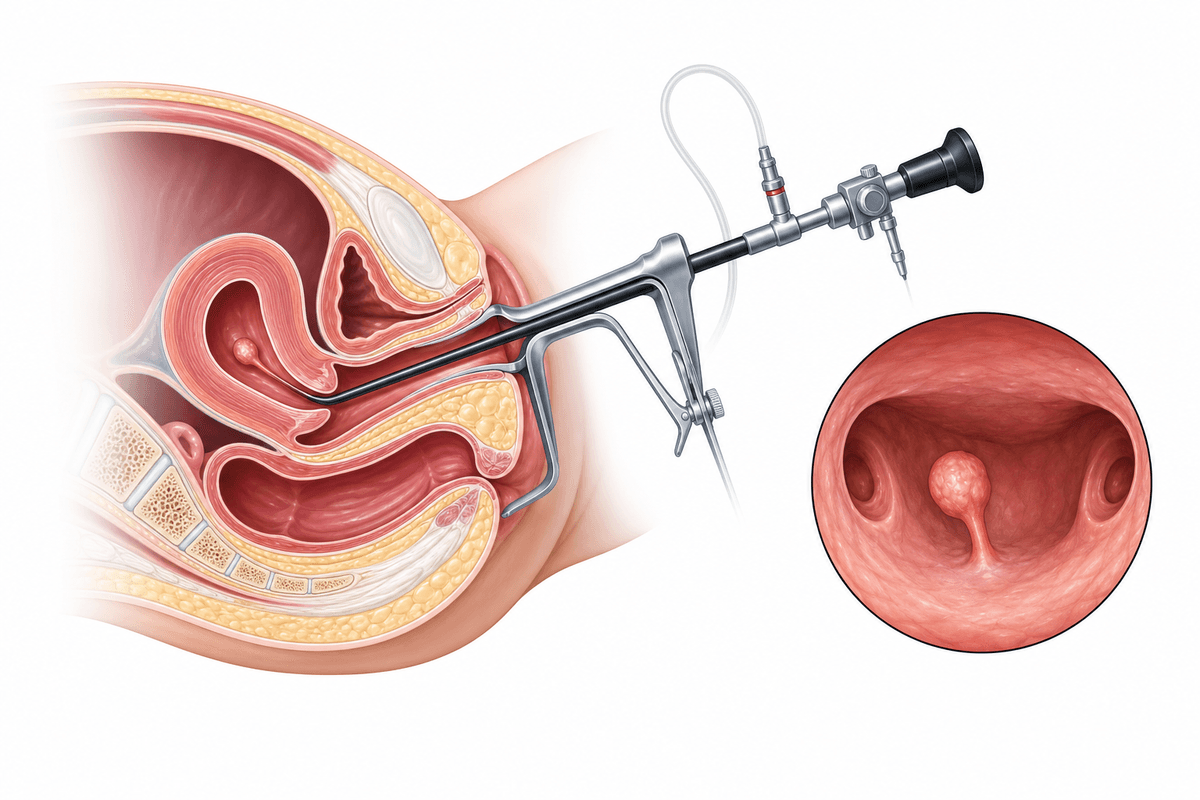
Performed by Dr. Y. Pramoda Reddy at Dr. Y. Pramoda Reddy Fertility Specialist in Kadapa
Hysteroscopy in Kadapa is a minimally invasive procedure that allows direct visualization of the uterine cavity to diagnose and treat various uterine abnormalities affecting fertility. This advanced diagnostic technique uses a thin, lighted telescope (hysteroscope) inserted through the cervix to examine the inside of the uterus, identify polyps, fibroids, adhesions, or structural abnormalities, and perform corrective procedures. At Mathrusri IVF Clinic, Dr. Y. Pramoda performs hysteroscopy with precision and care to optimize your reproductive health and enhance fertility success rates.
We believe in honest, upfront disclosure so you can make an informed decision.
A step-by-step look at what happens during this procedure.
The patient is positioned comfortably, and appropriate anaesthesia (local or general) is administered based on the procedure complexity and patient preference.
The cervix is gently dilated using specialized instruments to allow passage of the hysteroscope into the uterine cavity.
A thin, flexible hysteroscope with a camera and light source is carefully inserted through the cervix into the uterus, transmitting real-time images to a monitor.
The uterine cavity is expanded with sterile saline or gas for clear visualization. The entire endometrial lining, uterine walls, and tubal openings are systematically examined for abnormalities.
If polyps, fibroids, adhesions, or septum are identified, specialized instruments are used through the hysteroscope to remove or correct these abnormalities during the same procedure.
A structured, patient-first approach from first consultation to full recovery.
At Mathrusri IVF Clinic, Dr. Y. Pramoda conducts thorough evaluation including medical history, ultrasound assessment, and necessary laboratory tests to plan the optimal hysteroscopy approach tailored to each patient's needs.
We utilize state-of-the-art hysteroscopic equipment with high-definition imaging and precision instruments to ensure accurate diagnosis and effective treatment of intrauterine pathology with minimal tissue trauma.
Our team provides detailed pre-procedure counseling, comfortable procedure environment, appropriate pain management, and continuous monitoring throughout the procedure to ensure patient safety and comfort at every step.
Dr. Y. Pramoda ensures comprehensive post-procedure care with detailed recovery instructions, scheduled follow-up appointments to review findings and histopathology results, and personalized fertility treatment planning based on hysteroscopy outcomes.
What to expect at each stage of your recovery journey.
Patient rests in recovery area under observation for vital signs and any immediate complications. Mild cramping and spotting are normal. Light refreshments are provided before discharge with complete recovery instructions.
Mild cramping, light spotting, and watery discharge may continue. Rest is recommended with avoidance of strenuous activities, sexual intercourse, and tampon use. Over-the-counter pain relievers manage discomfort effectively.
Most symptoms resolve completely. Normal activities and work can be resumed. Patients follow specific instructions from Dr. Y. Pramoda regarding when to resume intercourse and any medications prescribed based on findings and therapeutic interventions performed.
Hysteroscopy provides direct visualization of the uterine cavity with 95% diagnostic accuracy, enabling precise identification of polyps, fibroids, adhesions, septum, and other intrauterine pathology that may affect fertility or cause symptoms.
Many uterine abnormalities can be treated during the same procedure, eliminating the need for separate surgeries. Removal of polyps, small fibroids, and adhesions significantly improves uterine environment for conception.
Correcting intrauterine pathology through hysteroscopy enhances natural conception rates and significantly improves IVF success rates by 10-15% by optimizing endometrial receptivity and embryo implantation potential.
Patients experience relief from abnormal uterine bleeding, pelvic pain, and recurrent pregnancy loss following therapeutic hysteroscopy, with improved quality of life and reproductive outcomes documented in follow-up evaluations.
Let's clear up some of the most common myths about hysteroscopy.
Get a personalised assessment from an experienced specialist. Understand your options, ask your questions, and decide with confidence.