Treated by Dr. Y. Pramoda Reddy at Dr. Y. Pramoda Reddy Fertility Specialist in Kadapa
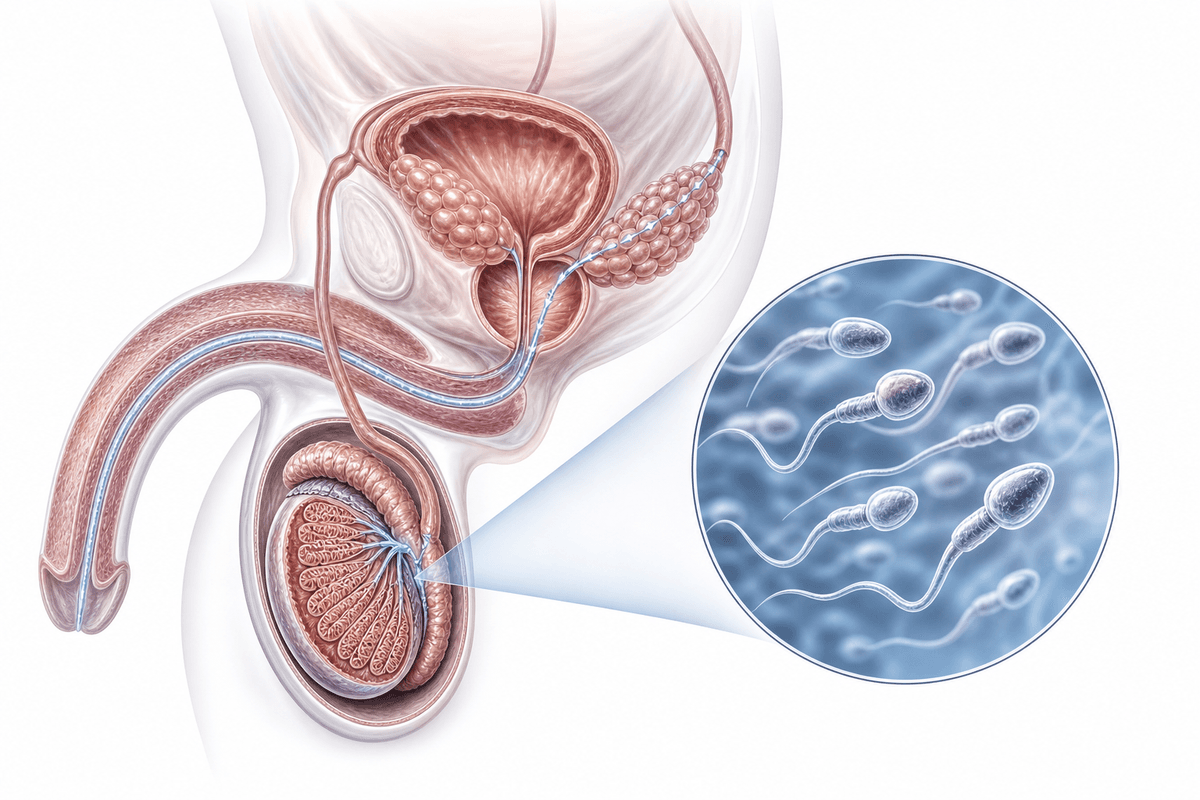
Male infertility in Kadapa affects approximately 40-50% of couples experiencing difficulty conceiving, involving issues with sperm production, function, or delivery. This condition can result from various factors including hormonal imbalances, genetic conditions, infections, varicocele, or lifestyle factors that impair reproductive capacity. Dr. Y. Pramoda at Mathrusri IVF Clinic provides comprehensive evaluation and personalized treatment protocols to address male factor infertility and help couples achieve their parenthood goals.
A condition characterized by low sperm concentration in the ejaculate, typically defined as fewer than 15 million sperm per milliliter of semen. This reduced sperm count significantly decreases the probability of natural conception and may result from hormonal imbalances, varicocele, genetic factors, or environmental exposures.
Complete absence of sperm in the ejaculate, which can be obstructive (blockage preventing sperm release) or non-obstructive (failure of sperm production). This condition requires specialized diagnostic testing including hormonal evaluation, genetic screening, and sometimes testicular biopsy to determine the underlying cause and appropriate treatment approach.
Poor sperm motility or movement, where less than 40% of sperm demonstrate progressive forward movement. This impaired sperm function reduces the ability of sperm to travel through the female reproductive tract and fertilize the egg, often caused by oxidative stress, infections, varicocele, or structural abnormalities in sperm.
Multiple factors can contribute to the development and progression of this condition.
Male Infertility develops gradually. Recognising symptoms early gives you more treatment options.
From conservative to surgical — we always start with the least invasive option first.
A structured, patient-first approach from first visit to full recovery.
Mathrusri IVF Clinic conducts detailed semen analysis including sperm count, motility, morphology, and DNA fragmentation testing. Dr. Y. Pramoda performs thorough physical examination, hormonal profiling (FSH, LH, testosterone, prolactin), and genetic screening when indicated. Advanced diagnostics including scrotal ultrasound identify varicocele or anatomical abnormalities affecting fertility.
Based on diagnostic findings, Dr. Y. Pramoda develops individualized treatment protocols addressing specific male factor issues. The treatment plan considers sperm parameters, female partner fertility status, couple's age, duration of infertility, and previous treatment history. Options range from conservative medical management to advanced assisted reproductive techniques with clear timelines and success expectations.
Our state-of-the-art andrology laboratory employs advanced sperm selection techniques including density gradient centrifugation, swim-up methods, and microfluidic sperm sorting. For ICSI procedures, highly trained embryologists select morphologically normal, motile sperm using high-magnification microscopy. Sperm DNA fragmentation is minimized through optimized processing protocols ensuring best fertilization outcomes.
Throughout treatment, Mathrusri IVF Clinic provides continuous monitoring, counseling, and support to couples. Dr. Y. Pramoda tracks treatment response, adjusts protocols as needed, and coordinates care between partners. Post-treatment follow-up includes pregnancy monitoring, and for unsuccessful cycles, comprehensive review and modification of treatment approach to optimize subsequent attempts.
What to expect at each phase of recovery.
For medical management, patients continue lifestyle modifications and medications with follow-up semen analysis after 3 months. Following surgical sperm retrieval, men experience mild discomfort for 2-3 days managed with pain medication and ice packs. Rest for 24-48 hours is recommended with gradual return to normal activities within one week.
Repeat semen analysis is performed 3-6 months after initiating medical therapy or lifestyle interventions to assess improvement in sperm parameters. For couples undergoing IUI or IVF/ICSI, the two-week wait following embryo transfer involves minimal physical restrictions but requires emotional support. Pregnancy testing occurs 14 days post-transfer with subsequent ultrasound confirmation.
Successful pregnancy requires continued prenatal care and monitoring. For couples requiring multiple treatment cycles, Dr. Y. Pramoda provides ongoing fertility optimization with protocol modifications based on previous cycle outcomes. Men with genetic conditions receive counseling regarding future fertility preservation options and potential hereditary implications requiring preimplantation genetic testing.
With appropriate medical management, lifestyle modifications, and treatment of underlying conditions, 30-60% of men show significant improvement in sperm count, motility, and morphology within 3-6 months, potentially enabling natural conception or less invasive fertility treatments.
ICSI provides fertilization rates of 70-80% even in cases of severe male factor infertility, including very low sperm counts or poor quality. This advanced technique has revolutionized treatment outcomes for couples previously facing limited options, with pregnancy rates comparable to standard IVF in suitable candidates.
Overall pregnancy success rates vary based on male factor severity, female partner age, and treatment type. IUI achieves 10-15% per cycle for mild cases, while IVF with ICSI offers 40-50% pregnancy rates per fresh embryo transfer at Mathrusri IVF Clinic, with cumulative success increasing with subsequent cycles.
Beyond achieving pregnancy, comprehensive care includes genetic counseling for hereditary conditions, preimplantation genetic testing when appropriate, and fertility preservation options. Dr. Y. Pramoda ensures couples receive complete information about treatment implications, helping them make informed decisions about family building and future reproductive options.
Untreated male infertility results in continued inability to conceive naturally, causing significant emotional distress, relationship strain, and psychological impact on couples desiring children. Progressive conditions like varicocele may lead to further deterioration of testicular function and sperm quality over time. Underlying hormonal disorders, if left unaddressed, can contribute to other health issues including osteoporosis, metabolic syndrome, sexual dysfunction, and reduced quality of life beyond reproductive concerns.
Couples should consult Dr. Y. Pramoda at Mathrusri IVF Clinic after 12 months of regular unprotected intercourse without conception, or after 6 months if the female partner is over 35 years of age. Men should seek earlier evaluation if they have known risk factors including history of undescended testicles, previous groin surgery, chemotherapy or radiation exposure, sexual dysfunction, testicular pain or swelling, or abnormal genital development. Prompt evaluation and treatment significantly improve the chances of successful conception and identify any underlying health conditions requiring medical attention.
Early treatment means more options and better outcomes. Book a consultation to understand your condition and explore the right path forward.