Treated by Dr. Y. Pramoda Reddy at Dr. Y. Pramoda Reddy Fertility Specialist in Kadapa
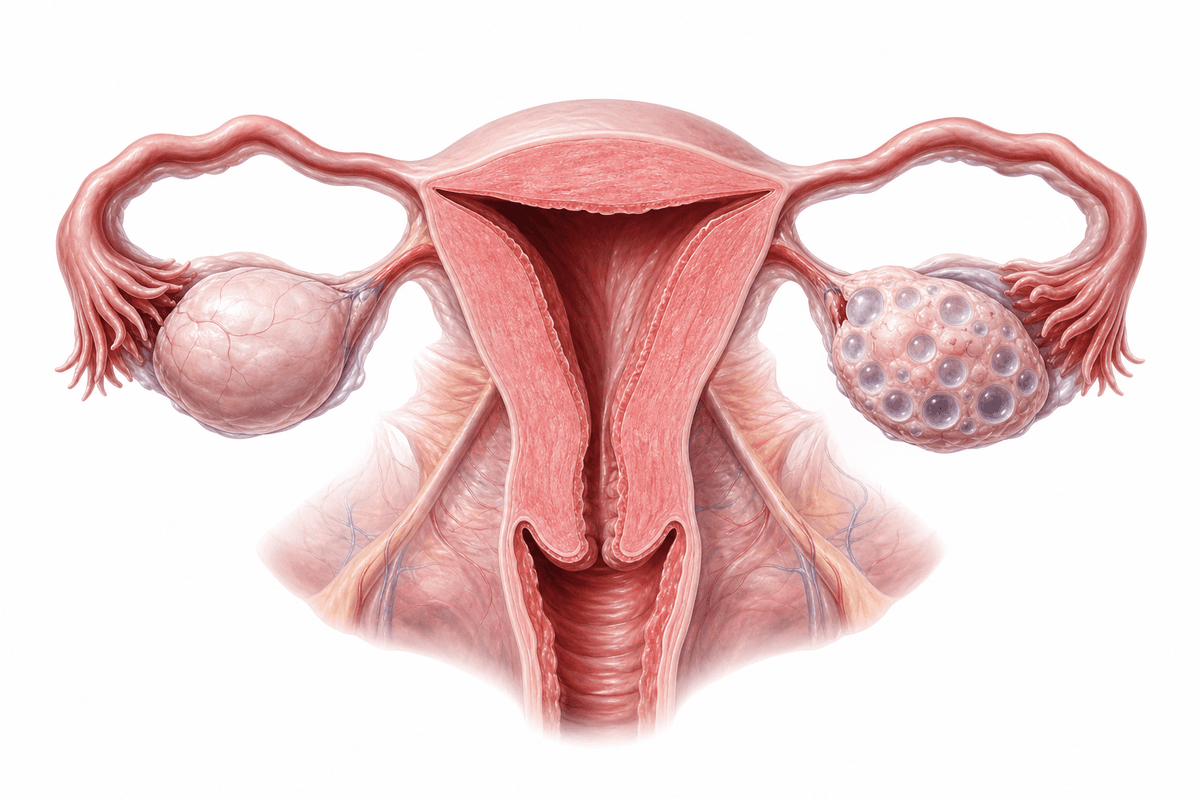
Polycystic Ovary Syndrome (PCOS) affects many women in Kadapa, causing hormonal imbalances, irregular periods, and fertility challenges. This endocrine disorder occurs when the ovaries produce excessive androgens, leading to multiple small cysts on the ovaries. At Mathrusri IVF Clinic, Dr. Y. Pramoda provides comprehensive PCOS management and fertility treatments tailored to each patient's unique needs.
The most common type where high insulin levels trigger androgen production, causing weight gain, fatigue, and difficulty losing weight despite diet efforts.
Characterized by chronic low-grade inflammation that stimulates ovarian androgen production, often presenting with headaches, joint pain, skin conditions, and unexplained fatigue.
Results from abnormal stress response where adrenal glands produce excess androgens instead of ovaries, typically triggered by chronic stress and affecting DHEAS hormone levels.
Multiple factors can contribute to the development and progression of this condition.
PCOS (Polycystic Ovary Syndrome) develops gradually. Recognising symptoms early gives you more treatment options.
From conservative to surgical — we always start with the least invasive option first.
A structured, patient-first approach from first visit to full recovery.
Dr. Y. Pramoda conducts detailed hormone profiling including LH, FSH, testosterone, insulin, and thyroid tests, along with transvaginal ultrasound to assess ovarian morphology and confirm PCOS diagnosis according to Rotterdam criteria.
Based on diagnostic findings and fertility goals, our team at Mathrusri IVF Clinic creates customized treatment protocols combining lifestyle interventions, medical management, and fertility treatments tailored to each patient's specific PCOS type and needs.
Regular follow-up appointments include hormone level monitoring, ultrasound tracking of ovarian response, and metabolic assessments to ensure treatment efficacy and make necessary protocol adjustments for optimal outcomes.
Mathrusri IVF Clinic provides nutritional counseling, psychological support for emotional well-being, and education about long-term health management to address diabetes, cardiovascular risks, and endometrial health associated with PCOS.
What to expect at each phase of recovery.
Focus on lifestyle modifications, initiating medications for symptom control, and establishing regular menstrual cycles. Patients typically notice improvements in energy levels, initial weight loss, and reduced acne during this period.
Hormonal balance improves with consistent medication and lifestyle adherence. Menstrual regularity is established, insulin sensitivity enhances, and fertility potential increases. Adjustments to treatment protocols are made based on response.
Ongoing management to sustain hormonal balance, prevent metabolic complications, and maintain fertility. Regular monitoring ensures early detection of any complications like endometrial hyperplasia, diabetes, or cardiovascular risks requiring intervention.
Most patients achieve regular menstrual cycles within 3-6 months of treatment, improving overall reproductive health and reducing endometrial cancer risk associated with prolonged amenorrhea.
With appropriate ovulation induction or IVF treatment, 70-80% of PCOS patients achieve successful pregnancy, with personalized protocols minimizing risks like ovarian hyperstimulation syndrome.
Effective PCOS management significantly lowers risks of developing type 2 diabetes, hypertension, and cardiovascular disease through improved insulin sensitivity and metabolic health.
Treatment reduces distressing symptoms like excess hair growth, acne, hair loss, and weight gain, leading to improved self-esteem, emotional well-being, and overall quality of life.
Untreated PCOS leads to serious long-term health complications including type 2 diabetes, cardiovascular disease, endometrial cancer, and permanent infertility. Women may experience worsening metabolic syndrome, severe obesity, sleep apnea, and increased risk of pregnancy complications if conception occurs. Early intervention is crucial to prevent irreversible damage and preserve fertility potential.
Consult Dr. Y. Pramoda at Mathrusri IVF Clinic if you experience irregular periods for more than three consecutive months, difficulty conceiving after six months of trying, excessive hair growth on face or body, or sudden unexplained weight gain. Early evaluation is essential if you have a family history of PCOS or diabetes, or if you notice signs of insulin resistance like dark skin patches on neck or underarms.
Early treatment means more options and better outcomes. Book a consultation to understand your condition and explore the right path forward.