Treated by Dr. Y. Pramoda Reddy at Dr. Y. Pramoda Reddy Fertility Specialist in Kadapa
Female infertility in Kadapa affects many women who struggle to conceive despite regular unprotected intercourse for 12 months or more. This condition can result from various factors including ovulatory disorders, tubal blockages, endometriosis, or age-related decline in egg quality. At Mathrusri IVF Clinic, Dr. Y. Pramoda provides comprehensive fertility evaluation and evidence-based treatments tailored to each woman's unique reproductive health needs.
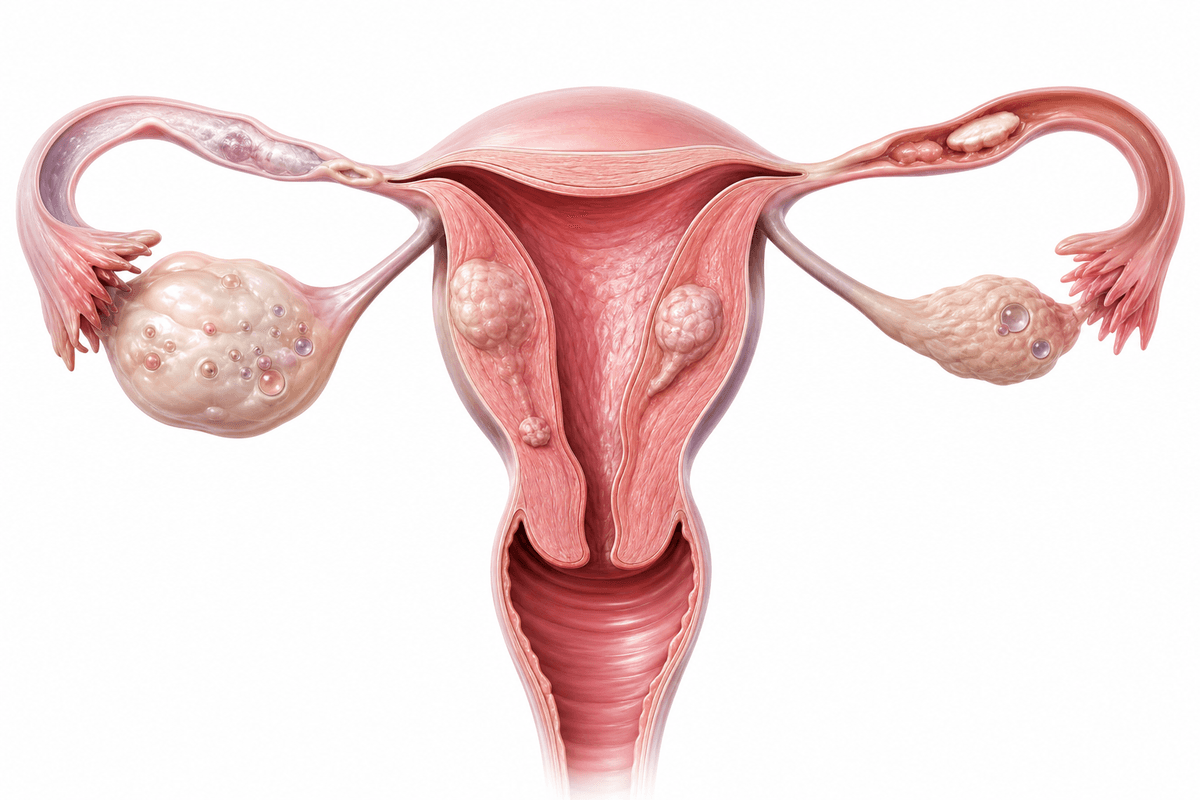
Irregular or absent ovulation caused by hormonal imbalances, PCOS, thyroid disorders, or premature ovarian insufficiency, preventing regular egg release necessary for conception.
Blocked or damaged fallopian tubes due to pelvic inflammatory disease, endometriosis, previous surgeries, or adhesions that prevent sperm from reaching the egg or embryo transport to the uterus.
Structural abnormalities including fibroids, polyps, uterine septum, or cervical mucus issues that interfere with embryo implantation or sperm penetration into the reproductive tract.
Multiple factors can contribute to the development and progression of this condition.
Female Infertility develops gradually. Recognising symptoms early gives you more treatment options.
From conservative to surgical — we always start with the least invasive option first.
A structured, patient-first approach from first visit to full recovery.
Dr. Y. Pramoda conducts detailed history-taking, physical examination, and orders hormonal blood tests, ovarian reserve testing, ultrasound scans, and HSG to identify all contributing factors to infertility.
Based on diagnostic findings, patient age, and duration of infertility, our team at Mathrusri IVF Clinic develops an individualized treatment protocol ranging from ovulation induction to advanced ART procedures.
We provide state-of-the-art IVF, ICSI, and embryo culture facilities with experienced embryologists, utilizing the latest protocols to maximize fertilization rates and embryo quality for optimal pregnancy outcomes.
Throughout treatment, we offer regular ultrasound monitoring, hormonal assessments, emotional counseling, and continuous communication to adjust protocols as needed and provide comprehensive support until pregnancy achievement.
What to expect at each phase of recovery.
During ovulation induction or IUI cycles, patients experience minimal disruption to daily activities with occasional monitoring visits. Mild bloating or mood changes may occur from fertility medications but resolve quickly after treatment.
After egg retrieval or surgical procedures, patients rest for 24-48 hours with mild cramping and bloating expected. Normal activities resume within 2-3 days, while strenuous exercise is avoided for one week to allow complete healing.
Following embryo transfer, patients maintain normal gentle activities while avoiding heavy lifting and stress. The two-week waiting period until pregnancy testing requires emotional support, which our clinic provides through counseling and regular check-ins.
With appropriate treatment, many women achieve pregnancy, with success rates depending on age, diagnosis, and treatment type. IVF success rates range from 30-50% per cycle for women under 35, decreasing with advancing age.
Women with ovulatory disorders often achieve regular menstrual cycles and predictable ovulation with medication, enabling natural conception or improving success with timed intercourse and IUI approaches.
Surgical correction of endometriosis, fibroids, or tubal issues can restore normal pelvic anatomy, significantly improving natural fertility potential and creating better conditions for embryo implantation and pregnancy maintenance.
Beyond pregnancy achievement, comprehensive fertility treatment addresses underlying hormonal imbalances, reduces pain from endometriosis, and provides emotional closure through definitive diagnosis and management of reproductive health concerns.
Untreated female infertility leads to continued inability to conceive naturally, with diminishing fertility potential as age advances and ovarian reserve declines. Underlying conditions like endometriosis may progress, causing increased pelvic pain, larger ovarian cysts, and further damage to reproductive organs. The emotional and psychological impact of unaddressed infertility can strain relationships, reduce quality of life, and eliminate the possibility of biological parenthood as treatment options become limited with advancing maternal age.
Women under 35 should consult a fertility specialist after 12 months of regular unprotected intercourse without conception, while those over 35 should seek evaluation after 6 months of trying. Immediate consultation is warranted for women with known risk factors including irregular or absent periods, history of pelvic inflammatory disease, endometriosis, previous pelvic surgery, recurrent miscarriages, or age over 40. Early evaluation enables timely diagnosis and treatment when fertility potential is highest.
Early treatment means more options and better outcomes. Book a consultation to understand your condition and explore the right path forward.