Performed by Dr. Y. Pramoda Reddy at Dr. Y. Pramoda Reddy Fertility Specialist in Kadapa
IVF (In Vitro Fertilization) in Kadapa is an advanced assisted reproductive technology that helps couples overcome infertility by fertilizing eggs with sperm in a laboratory setting before transferring the resulting embryo to the uterus. This procedure has helped millions of couples worldwide achieve their dream of parenthood. At Mathrusri IVF Clinic, Dr. Y. Pramoda provides personalized IVF treatment with state-of-the-art technology and compassionate care.
We believe in honest, upfront disclosure so you can make an informed decision.
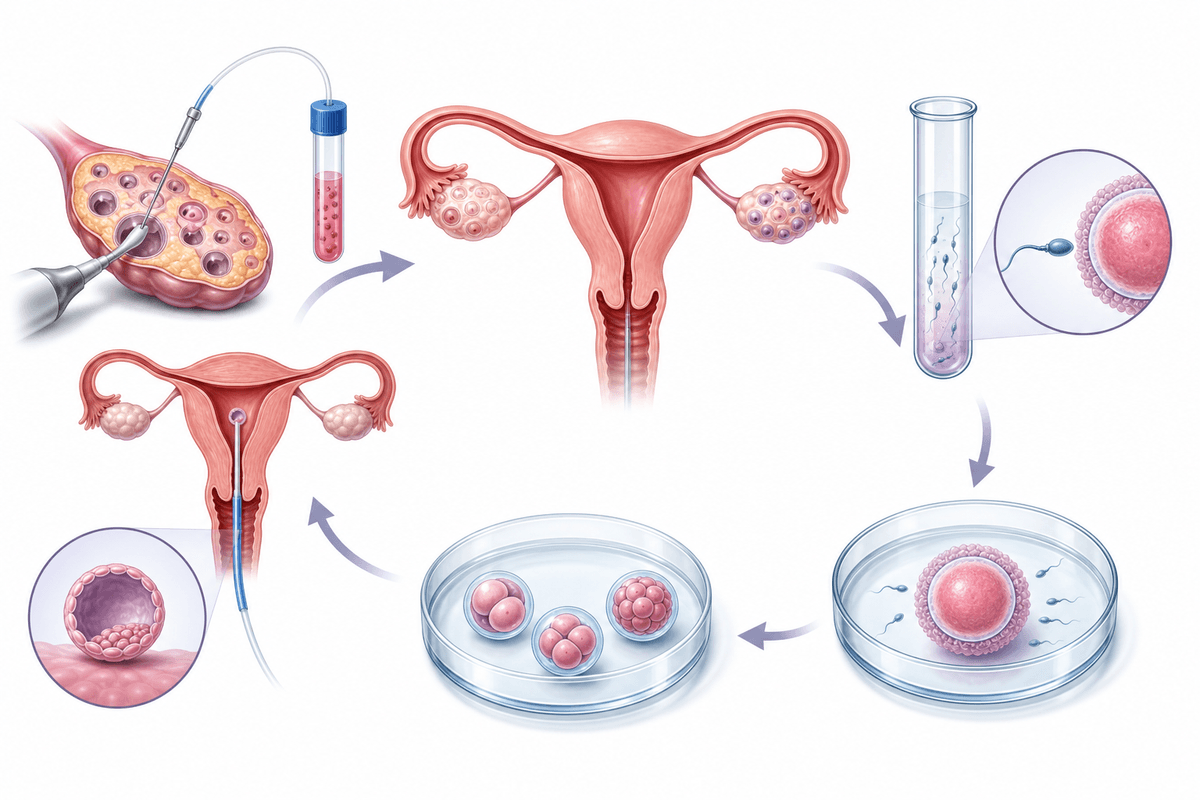
A step-by-step look at what happens during this procedure.
Injectable fertility medications are administered for 8-14 days to stimulate the ovaries to produce multiple eggs instead of the single egg that normally develops each month. Regular ultrasound monitoring and blood tests track follicle development and hormone levels.
When follicles reach optimal size, a trigger injection is given to mature the eggs. Approximately 36 hours later, eggs are retrieved through a minor surgical procedure using ultrasound-guided needle aspiration under conscious sedation.
Retrieved eggs are combined with sperm in the laboratory. Fertilization occurs either through conventional IVF where sperm and eggs are mixed together, or through ICSI (intracytoplasmic sperm injection) where a single sperm is injected directly into each mature egg.
Fertilized eggs develop into embryos over 3-5 days in a controlled laboratory environment. Embryologists monitor development daily, assessing embryo quality and selecting the best embryos for transfer based on morphology and developmental stage.
One or two high-quality embryos are transferred into the uterus using a thin catheter guided through the cervix. This is a painless procedure performed without anesthesia. Extra viable embryos can be frozen for future use through cryopreservation.
A structured, patient-first approach from first consultation to full recovery.
Dr. Y. Pramoda conducts comprehensive fertility assessments for both partners, reviews medical history, and designs customized stimulation protocols based on individual ovarian reserve, age, and specific fertility challenges to optimize success rates.
Mathrusri IVF Clinic maintains state-of-the-art embryology laboratory with controlled environmental conditions, latest incubation technology, and strict quality control measures to ensure optimal embryo development and handling throughout the IVF process.
Our team provides regular ultrasound monitoring during stimulation, timely medication adjustments, 24/7 availability for concerns, and emotional support throughout the journey. We ensure patients are well-informed at every stage of treatment.
After embryo transfer, Dr. Y. Pramoda provides detailed instructions for the two-week wait, prescribes appropriate progesterone support, schedules beta hCG pregnancy tests, and offers early pregnancy monitoring with ultrasound to confirm successful implantation.
What to expect at each stage of your recovery journey.
Rest for 24 hours after egg retrieval. Mild cramping, bloating, and spotting are normal. Avoid strenuous activities and sexual intercourse. Take prescribed pain medications if needed and stay well-hydrated.
Resume normal light activities after embryo transfer but avoid heavy lifting, intense exercise, hot baths, and swimming. Continue prescribed medications including progesterone supplements. Maintain a balanced diet and manage stress levels.
The period between embryo transfer and pregnancy test requires patience and self-care. Avoid pregnancy tests before scheduled date to prevent false results. Watch for severe symptoms like heavy bleeding or severe abdominal pain and contact your doctor if concerned.
Successful IVF results in pregnancy confirmation through rising beta hCG levels and ultrasound visualization of gestational sac and fetal heartbeat. Success rates vary with age, with younger women generally experiencing higher success rates per cycle.
When more than one embryo is transferred, there is increased chance of twins or higher-order multiples. While many couples welcome twins, multiple pregnancies carry higher risks for both mother and babies, requiring specialized prenatal care.
Extra high-quality embryos can be frozen for future attempts, eliminating the need for repeated stimulation and retrieval. Frozen embryo transfers have comparable success rates to fresh transfers and offer more flexible timing for subsequent pregnancy attempts.
The IVF process provides valuable diagnostic information about egg quality, fertilization capability, embryo development, and potential implantation issues. This knowledge helps optimize future treatment strategies and informs patients about their reproductive health.
Let's clear up some of the most common myths about ivf (in vitro fertilization).
Get a personalised assessment from an experienced specialist. Understand your options, ask your questions, and decide with confidence.