Performed by Dr. Y. Pramoda Reddy at Dr. Y. Pramoda Reddy Fertility Specialist in Kadapa
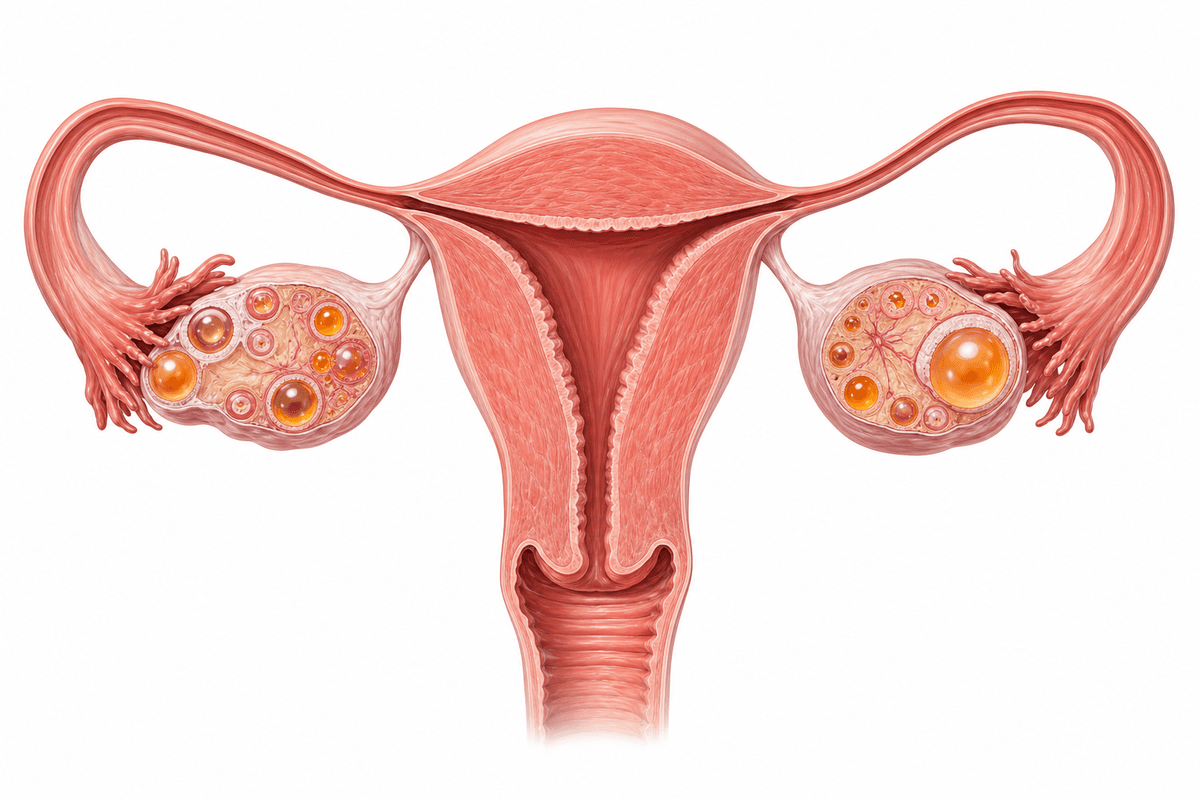
Ovulation Induction in Kadapa is a fertility treatment that uses medications to stimulate the ovaries to produce and release eggs in women who have irregular or absent ovulation. This procedure helps regulate the menstrual cycle and increases the chances of natural conception or prepares patients for assisted reproductive treatments. Dr. Y. Pramoda at Mathrusri IVF Clinic offers personalized ovulation induction protocols tailored to each patient's specific hormonal profile and fertility needs.
We believe in honest, upfront disclosure so you can make an informed decision.
A step-by-step look at what happens during this procedure.
Comprehensive evaluation including blood tests to measure FSH, LH, estradiol, and AMH levels, along with transvaginal ultrasound to assess ovarian reserve and rule out structural abnormalities.
Oral medications like Clomiphene Citrate or Letrozole are prescribed starting on day 2-5 of the menstrual cycle, or injectable gonadotropins (FSH/hMG) are administered to stimulate follicle development in the ovaries.
Regular transvaginal ultrasounds every 2-3 days track follicle growth and endometrial thickness, while blood tests monitor estradiol levels to prevent overstimulation and optimize timing.
When one or more follicles reach 18-20mm in diameter, an hCG trigger shot is administered to induce final egg maturation and trigger ovulation within 36-40 hours.
Couples are advised on optimal timing for intercourse or intrauterine insemination is performed 24-36 hours after the trigger shot to maximize fertilization chances during the ovulation window.
A structured, patient-first approach from first consultation to full recovery.
Dr. Y. Pramoda at Mathrusri IVF Clinic creates individualized treatment plans based on each patient's age, hormone levels, BMI, ovarian reserve, and response to previous treatments, ensuring optimal medication dosing.
Our clinic uses high-resolution ultrasound equipment and comprehensive hormonal panels to precisely track follicular development, allowing for real-time protocol adjustments to maximize safety and effectiveness.
We provide detailed counseling on medication administration, injection techniques, expected side effects, and warning signs of complications, with 24/7 access to our medical team for questions and concerns.
Mathrusri IVF Clinic combines ovulation induction with lifestyle guidance, nutritional counseling, and stress management techniques to enhance overall fertility and improve treatment outcomes for our patients in Kadapa.
What to expect at each stage of your recovery journey.
During the 5-10 days of medication administration, patients can maintain normal daily activities with minimal restrictions. Mild bloating or breast tenderness may occur but typically does not interfere with work or routine tasks.
After ovulation occurs, the two-week wait begins during which patients can resume all normal activities. Light exercise is encouraged while avoiding extreme physical exertion that might impact implantation.
A pregnancy test is performed 14 days after ovulation. If unsuccessful, the cycle can be repeated after reviewing response patterns. If pregnant, early ultrasound monitoring ensures proper embryo development and rules out multiple pregnancy.
70-80% of women with ovulation disorders successfully ovulate with proper medication protocols, establishing regular menstrual cycles and creating opportunities for natural conception each month.
Women undergoing ovulation induction achieve pregnancy rates of 20-25% per cycle when combined with timed intercourse or IUI, with cumulative success rates increasing significantly over 3-6 treatment cycles.
The monitoring process reveals valuable information about ovarian reserve, follicular development patterns, and endometrial receptivity, helping identify additional fertility factors that may require attention.
Patients who do not conceive with ovulation induction gain important clinical data that guides decisions about progressing to IVF or other assisted reproductive technologies with optimized protocols.
Let's clear up some of the most common myths about ovulation induction.
Get a personalised assessment from an experienced specialist. Understand your options, ask your questions, and decide with confidence.