Treated by Dr. Y. Pramoda Reddy at Dr. Y. Pramoda Reddy Fertility Specialist in Kadapa
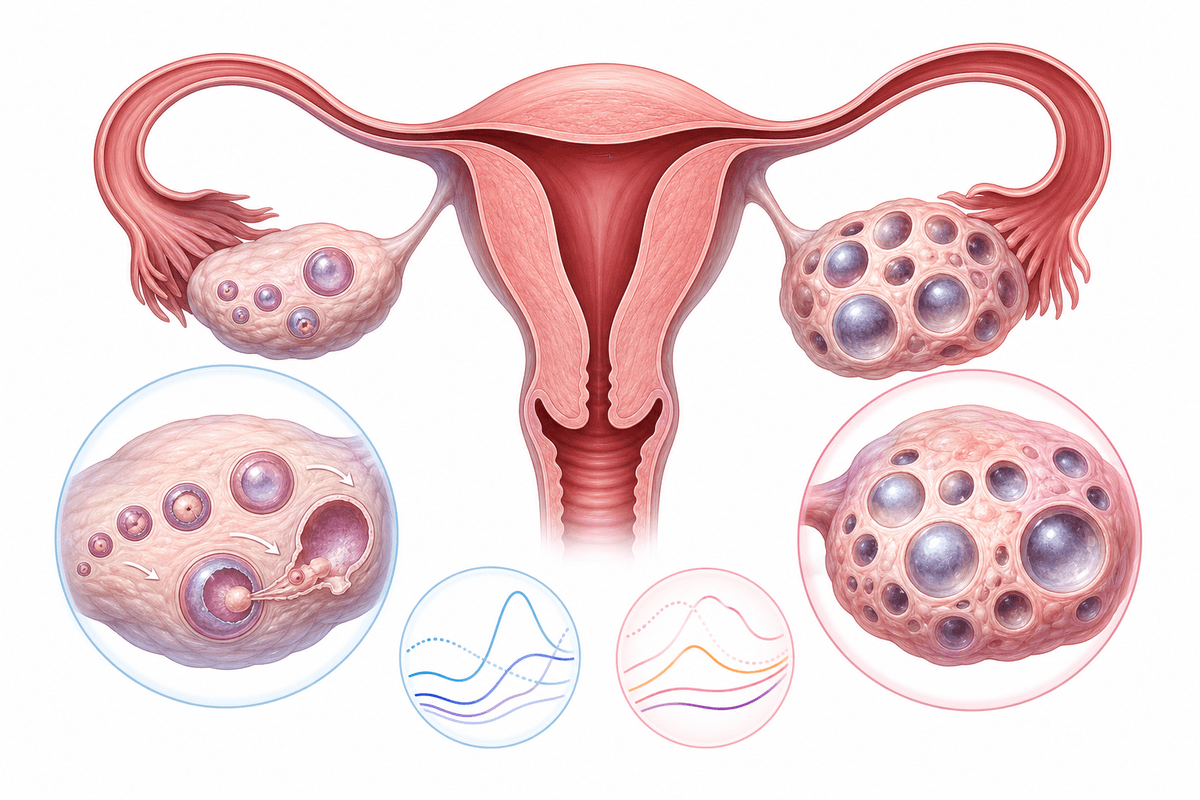
Ovulation disorders are among the most common causes of female infertility in Kadapa, affecting the regular release of eggs from the ovaries. These conditions can range from irregular ovulation to complete absence of ovulation (anovulation), significantly impacting a woman's ability to conceive naturally. Dr. Y. Pramoda at Mathrusri IVF Clinic provides specialized diagnosis and personalized treatment protocols for women experiencing ovulation-related fertility challenges.
A hormonal disorder causing enlarged ovaries with small cysts, irregular periods, and excess androgen levels, leading to infrequent or absent ovulation.
Disruption in the production of hormones that regulate ovulation, often caused by stress, excessive weight loss, or intense physical training.
Premature loss of normal ovarian function before age 40, resulting in decreased estrogen production and irregular or absent ovulation.
Multiple factors can contribute to the development and progression of this condition.
Ovulation Disorders develops gradually. Recognising symptoms early gives you more treatment options.
From conservative to surgical — we always start with the least invasive option first.
A structured, patient-first approach from first visit to full recovery.
Dr. Y. Pramoda conducts detailed hormonal evaluations including FSH, LH, AMH, thyroid, and prolactin levels, along with transvaginal ultrasound to assess ovarian reserve and follicular patterns, establishing the specific type of ovulation disorder.
Based on diagnostic findings, age, and medical history, our team at Mathrusri IVF Clinic designs individualized treatment plans ranging from lifestyle modifications and oral medications to advanced assisted reproductive technologies.
Throughout treatment, we perform regular ultrasound monitoring and hormonal tracking to optimize medication dosages, predict ovulation timing accurately, and maximize the chances of successful conception while minimizing risks.
Our Kadapa fertility team provides continuous monitoring and adjusts protocols based on individual response patterns, ensuring each patient receives the most effective treatment approach with compassionate care throughout their fertility journey.
What to expect at each phase of recovery.
Patients begin medication or lifestyle modifications with close monitoring of menstrual patterns, ovulation signs, and hormonal responses. Most women notice cycle regulation within the first few treatment cycles.
Continued ovulation induction with timed intercourse or IUI procedures. Regular ultrasound monitoring tracks follicle development and confirms ovulation. Adjustments are made based on individual response patterns.
Once pregnancy is achieved, hormonal support continues through the first trimester to ensure proper implantation and early development. Regular monitoring confirms healthy progression and addresses any concerns promptly.
Most women with ovulation disorders achieve regular ovulatory cycles with appropriate treatment, with 70-80% of patients responding to first-line ovulation induction medications.
Many patients conceive naturally or with minimal intervention once ovulation is restored, particularly those with PCOS or hypothalamic dysfunction who respond well to lifestyle changes and oral medications.
For women requiring IUI or IVF, success rates are significantly enhanced when ovulation disorders are properly managed, with IVF success rates reaching 40-50% per cycle in appropriate candidates.
Treatment not only addresses immediate fertility concerns but also improves overall hormonal balance, menstrual regularity, and reduces long-term health risks associated with chronic anovulation such as endometrial hyperplasia.
Untreated ovulation disorders lead to persistent infertility and prolonged inability to conceive naturally. Chronic anovulation increases risks of endometrial hyperplasia and cancer due to unopposed estrogen exposure. Women may also experience ongoing hormonal imbalances affecting overall health, bone density, and cardiovascular function.
Consult a fertility specialist if you have irregular periods occurring less than eight times per year, absent periods for three months or more, or have been unable to conceive after 12 months of regular unprotected intercourse (or 6 months if over age 35). Women experiencing signs of hormonal imbalance such as excessive hair growth, severe acne, or unexplained weight changes should also seek evaluation.
Early treatment means more options and better outcomes. Book a consultation to understand your condition and explore the right path forward.