Treated by Dr. Y. Pramoda Reddy at Dr. Y. Pramoda Reddy Fertility Specialist in Kadapa
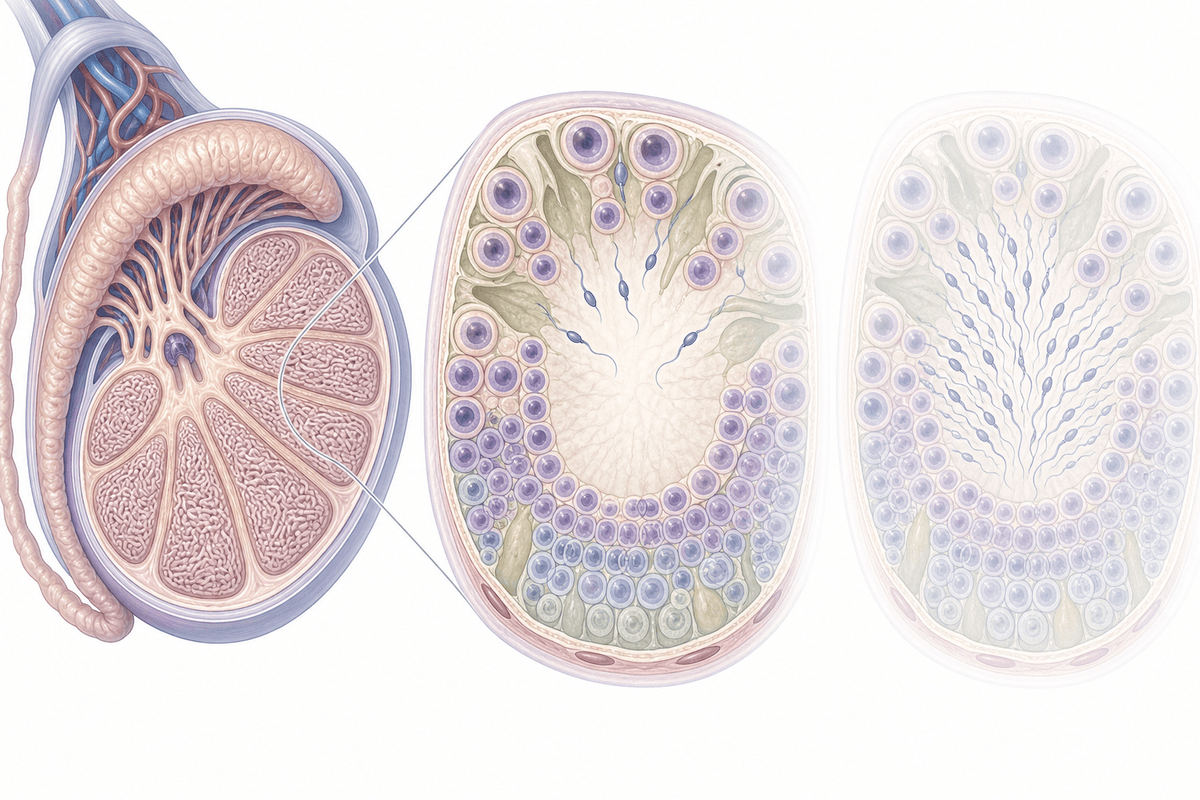
Low Sperm Count (Oligospermia) affects many men seeking fertility treatment in Kadapa, characterized by fewer than 15 million sperm per milliliter of semen. This condition can significantly impact a couple's ability to conceive naturally, but modern assisted reproductive techniques offer effective solutions. Dr. Y. Pramoda at Mathrusri IVF Clinic provides comprehensive evaluation and personalized treatment plans to help couples achieve their dream of parenthood.
Sperm concentration between 10-15 million per milliliter. Many men with mild oligospermia can achieve natural conception with lifestyle modifications and medical management. Treatment focuses on optimizing sperm parameters through nutritional support and addressing underlying factors.
Sperm count ranging from 5-10 million per milliliter. This level typically requires assisted reproductive techniques such as IUI or IVF for successful conception. Medical intervention combined with lifestyle changes can improve outcomes significantly.
Sperm concentration below 5 million per milliliter. Advanced fertility treatments like ICSI are usually recommended for optimal success rates. Surgical sperm retrieval may be considered in cases approaching azoospermia.
Multiple factors can contribute to the development and progression of this condition.
Low Sperm Count (Oligospermia) develops gradually. Recognising symptoms early gives you more treatment options.
From conservative to surgical — we always start with the least invasive option first.
A structured, patient-first approach from first visit to full recovery.
At Mathrusri IVF Clinic, Dr. Y. Pramoda begins with detailed semen analysis, hormonal profiling, and physical examination to identify the exact cause and severity of oligospermia. Scrotal ultrasound and genetic testing are performed when indicated to create a complete diagnostic picture.
Based on diagnostic findings, Dr. Pramoda develops an individualized treatment protocol considering sperm parameters, female partner's fertility status, age, and couple's preferences. Treatment options range from medical management to advanced ART techniques, with clear explanation of success rates and timelines.
Our state-of-the-art andrology laboratory in Kadapa employs the latest sperm processing techniques, including density gradient centrifugation and swim-up methods to select the healthiest sperm. For severe cases, we offer surgical sperm retrieval procedures (TESA/PESA) performed by experienced specialists.
Throughout the treatment journey, Mathrusri IVF Clinic provides continuous monitoring, counseling, and adjustment of protocols based on response. Our team offers emotional support, nutritional guidance, and lifestyle counseling to optimize outcomes and ensure couples feel supported at every stage.
What to expect at each phase of recovery.
Following procedures like IUI or embryo transfer, patients rest for 15-30 minutes before resuming normal activities. Mild cramping or spotting may occur. Progesterone supplementation is typically prescribed to support potential pregnancy, and patients are advised to avoid strenuous exercise for 2-3 days.
The period between embryo transfer or IUI and pregnancy test requires patience and adherence to medications. Patients continue prescribed hormonal support and maintain healthy lifestyle practices. Dr. Pramoda's team remains available for questions and concerns during this crucial waiting period.
A blood pregnancy test is performed 12-14 days after treatment. If positive, ultrasound monitoring begins at 6-7 weeks to confirm pregnancy viability. Hormonal support continues through the first trimester, with regular monitoring to ensure healthy pregnancy progression and seamless transition to obstetric care.
With lifestyle modifications and medical management, 30-40% of men experience significant improvement in sperm count, motility, and morphology within 3-6 months. These improvements can enhance natural conception chances or improve success rates with assisted reproductive treatments.
Depending on the severity of oligospermia and treatment chosen, pregnancy success rates range from 10-20% per IUI cycle to 40-60% per IVF/ICSI cycle. Many couples achieve pregnancy within 3-4 treatment cycles, with cumulative success rates improving significantly over multiple attempts.
Addressing root causes such as varicocele, hormonal imbalances, or infections not only improves fertility but also enhances overall health and wellbeing. Surgical correction of varicocele improves sperm parameters in 60-70% of cases, with potential for natural conception.
Comprehensive evaluation and counseling enables couples to make informed decisions about their fertility journey. Understanding the diagnosis, prognosis, and treatment options empowers patients to choose the most appropriate path, whether pursuing treatment immediately or planning for the future.
Untreated oligospermia leads to continued inability to conceive naturally, causing emotional distress and relationship strain for couples desiring children. Progressive conditions like varicocele or hormonal disorders may worsen over time, further decreasing sperm production and reducing future treatment success rates. Additionally, underlying health issues causing low sperm count, such as hormonal imbalances or infections, may impact overall health if left unaddressed.
Couples should consult Dr. Y. Pramoda at Mathrusri IVF Clinic if they have been unable to conceive after 12 months of regular unprotected intercourse (or 6 months if the female partner is over 35 years). Men with known risk factors such as history of undescended testis, childhood mumps, varicocele, previous chemotherapy, or chronic medical conditions should seek earlier evaluation. Any man experiencing testicular pain, swelling, sexual dysfunction, or other reproductive concerns should schedule a fertility consultation promptly.
Early treatment means more options and better outcomes. Book a consultation to understand your condition and explore the right path forward.