Performed by Dr. Y. Pramoda Reddy at Dr. Y. Pramoda Reddy Fertility Specialist in Kadapa
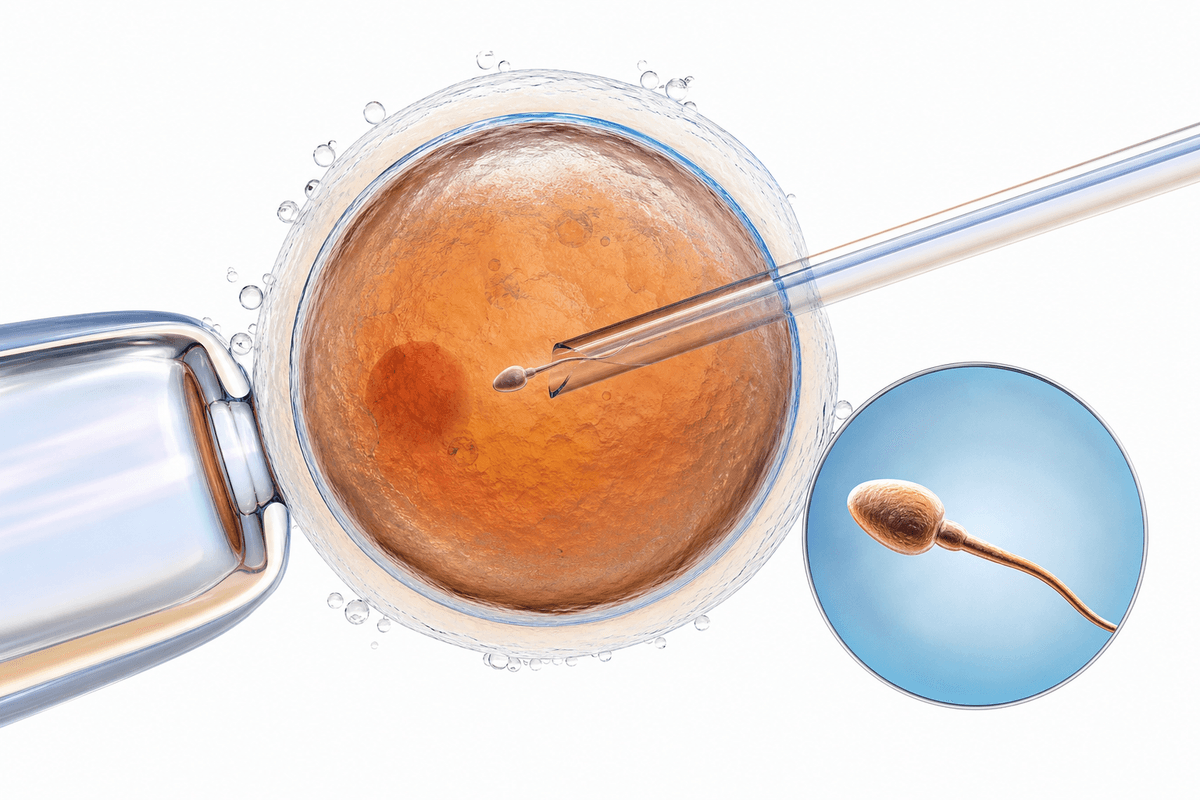
ICSI (Intracytoplasmic Sperm Injection) in Kadapa is an advanced assisted reproductive technology where a single sperm is directly injected into an egg to facilitate fertilization. This procedure is particularly beneficial for couples facing male factor infertility, low sperm count, or previous IVF fertilization failures. Dr. Y. Pramoda at Mathrusri IVF Clinic provides expert ICSI treatment with state-of-the-art embryology lab facilities.
We believe in honest, upfront disclosure so you can make an informed decision.
A step-by-step look at what happens during this procedure.
The female partner undergoes controlled ovarian hyperstimulation using fertility medications to produce multiple mature eggs over 8-14 days with regular ultrasound monitoring.
Mature eggs are retrieved through transvaginal ultrasound-guided aspiration under sedation. Sperm sample is collected on the same day, or surgical extraction is performed if needed.
Embryologists process the sperm sample and identify the healthiest, most motile sperm under high-powered microscopy for injection into each mature egg.
A single sperm is immobilized and carefully injected directly into the cytoplasm of each mature egg using specialized micromanipulation equipment and glass pipettes under microscopic visualization.
Eggs are checked for fertilization after 16-18 hours. Successfully fertilized embryos are cultured in controlled incubators for 3-5 days before transfer to the uterus.
A structured, patient-first approach from first consultation to full recovery.
Mathrusri IVF Clinic maintains a state-of-the-art embryology lab with cutting-edge micromanipulation equipment, controlled environment incubators, and strict quality control protocols to maximize fertilization success.
Our highly trained embryologists have extensive experience in ICSI procedures, ensuring precise sperm selection and gentle egg handling to minimize damage and optimize fertilization rates.
Dr. Y. Pramoda designs customized ovarian stimulation protocols based on individual patient characteristics, age, ovarian reserve, and previous treatment history to achieve optimal egg quality and quantity.
Patients receive continuous monitoring throughout the ICSI cycle with regular ultrasounds, hormone level assessments, and dedicated counseling to ensure comfort and address concerns at every stage.
What to expect at each stage of your recovery journey.
Rest for 2-4 hours after egg retrieval. Mild cramping and bloating are normal. Resume light activities the same evening but avoid strenuous exercise and heavy lifting.
Continue prescribed medications including progesterone support. Maintain adequate hydration and follow a balanced diet. Avoid sexual intercourse until after embryo transfer and pregnancy test.
The two-week wait period requires patience and stress management. Continue all medications as directed, maintain normal daily activities, and avoid excessive physical exertion until pregnancy test confirmation.
ICSI achieves 70-80% fertilization rates even with severe male factor infertility, significantly higher than conventional IVF in cases of poor sperm quality or quantity.
Successfully enables pregnancy for couples who would otherwise have minimal chance of biological parenthood due to severe sperm abnormalities or surgical sperm extraction requirements.
When embryo quality is good, ICSI pregnancy rates match those of conventional IVF, with success rates varying by maternal age and embryo development stage at transfer.
ICSI embryos can undergo preimplantation genetic testing (PGT) to screen for chromosomal abnormalities or genetic disorders, allowing selection of healthy embryos for transfer.
Let's clear up some of the most common myths about icsi (intracytoplasmic sperm injection).
Get a personalised assessment from an experienced specialist. Understand your options, ask your questions, and decide with confidence.