Treated by Dr. Y. Pramoda Reddy at Dr. Y. Pramoda Reddy Fertility Specialist in Kadapa
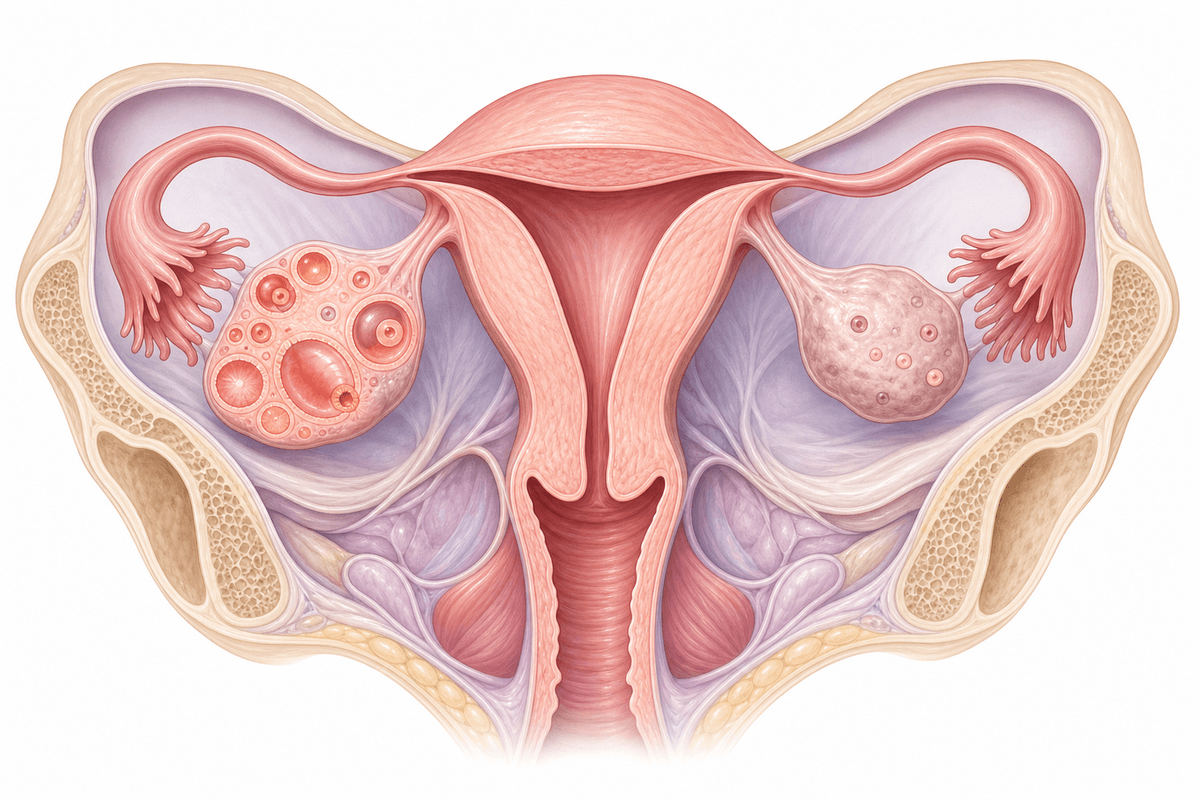
Poor Ovarian Response (POR) is a challenging fertility condition affecting women in Kadapa and beyond, characterized by inadequate ovarian response to stimulation during assisted reproductive treatment cycles. Women with POR produce fewer follicles and eggs during IVF stimulation, requiring specialized protocols and expertise. At Mathrusri IVF Clinic, Dr. Y. Pramoda provides individualized treatment strategies to optimize outcomes for patients experiencing poor ovarian response.
Diminished ovarian response occurring primarily in women over 35-40 years due to natural age-related decline in ovarian reserve and oocyte quality, representing the most common type of poor ovarian response.
Unexpected low ovarian response in women under 40 years with adequate ovarian reserve markers, often related to genetic factors, autoimmune conditions, or unexplained causes requiring specialized investigation and management.
Poor ovarian response associated with early decline in ovarian function before age 40, characterized by elevated FSH levels, irregular cycles, and significantly reduced follicular pool requiring aggressive treatment approaches.
Multiple factors can contribute to the development and progression of this condition.
Poor Ovarian Response develops gradually. Recognising symptoms early gives you more treatment options.
From conservative to surgical — we always start with the least invasive option first.
A structured, patient-first approach from first visit to full recovery.
Dr. Y. Pramoda conducts thorough evaluation including day 2-3 FSH, AMH, estradiol levels, and antral follicle count ultrasound to accurately assess ovarian reserve and predict response, establishing baseline parameters for personalized protocol design.
Mathrusri IVF Clinic develops customized treatment plans based on patient age, reserve markers, and previous response history, selecting optimal medication types, dosages, and stimulation strategies including adjuvant therapies like growth hormone or DHEA supplementation when indicated.
Our team provides intensive monitoring with serial ultrasounds and hormone assessments, making real-time protocol modifications to optimize follicular development, adjusting medication dosages and trigger timing to maximize egg retrieval outcomes.
Mathrusri IVF Clinic utilizes state-of-the-art embryology techniques for retrieved eggs and provides compassionate counseling about all options including egg accumulation cycles, minimal stimulation approaches, donor eggs, or other family-building alternatives based on individual circumstances and preferences.
What to expect at each phase of recovery.
Following egg retrieval, patients experience mild cramping and bloating that resolves within 24-48 hours. Rest is recommended for the day of procedure, with most women resuming normal activities the following day while avoiding strenuous exercise until next menstrual period.
After embryo transfer, patients continue progesterone supplementation and other prescribed medications, maintaining normal daily activities while avoiding heavy lifting. The two-week wait period requires patience, with pregnancy testing scheduled 10-14 days post-transfer to confirm outcomes.
Positive results lead to serial beta-hCG monitoring and early ultrasound confirmation at 6-7 weeks, with continued hormonal support through first trimester. If unsuccessful, Dr. Pramoda reviews the cycle in detail and adjusts protocols for subsequent attempts, providing ongoing support and optimized strategies.
Personalized stimulation approaches result in better follicular recruitment, increased number of retrieved eggs, and improved oocyte quality compared to standard protocols, even with diminished reserve, enhancing the probability of obtaining viable embryos for transfer.
Through advanced stimulation strategies, adjuvant therapies, and optimal laboratory conditions, patients achieve better embryo development rates and quality grades, increasing the likelihood of successful implantation and providing embryos for cryopreservation when multiple good-quality embryos are obtained.
While per-cycle success rates may be lower than normal responders, comprehensive management including multiple cycles, egg banking strategies, and appropriate use of donor eggs when needed allows many poor responders to achieve pregnancy, with cumulative success improving significantly with expert care.
Patients receive thorough counseling about prognosis, treatment options, and success probabilities, enabling informed choices about pursuing own eggs versus donor options, understanding financial and time investments, and developing realistic expectations while maintaining hope throughout the journey.
Untreated poor ovarian response leads to progressive decline in fertility potential, with diminishing chances of conception naturally or through assisted reproduction as ovarian reserve continues to decrease with age. Delayed treatment reduces the number and quality of available eggs, eventually necessitating donor eggs or eliminating the possibility of genetic parenthood. Early intervention maximizes opportunities for successful pregnancy using own eggs and preserves more family-building options.
Women should consult Dr. Y. Pramoda at Mathrusri IVF Clinic if they experience irregular menstrual cycles, have been unsuccessful with fertility treatments, are over 35 and planning pregnancy, or have received blood test results indicating low AMH or elevated FSH levels. Early evaluation is particularly important for women with known risk factors including previous ovarian surgery, endometriosis, family history of early menopause, or unsuccessful IVF cycles with poor egg retrieval numbers. Prompt specialist consultation allows timely intervention while more treatment options remain available.
Early treatment means more options and better outcomes. Book a consultation to understand your condition and explore the right path forward.