Treated by Dr. Y. Pramoda Reddy at Dr. Y. Pramoda Reddy Fertility Specialist in Kadapa
Recurrent IVF Failure in Kadapa affects couples who have experienced multiple unsuccessful in vitro fertilization cycles despite good quality embryos. This challenging condition requires specialized investigation to identify underlying factors such as immunological issues, genetic abnormalities, uterine factors, or embryo quality problems. Dr. Y. Pramoda at Mathrusri IVF Clinic provides comprehensive evaluation and tailored treatment strategies to help couples achieve successful pregnancy outcomes.
Failed IVF cycles due to maternal immune system rejection of embryos, involving elevated natural killer cells, antiphospholipid antibodies, or other immune factors that prevent implantation despite good embryo quality.
Recurrent failures caused by genetic abnormalities in embryos, poor embryo quality, or developmental issues that prevent successful implantation even when transferred to a receptive uterus.
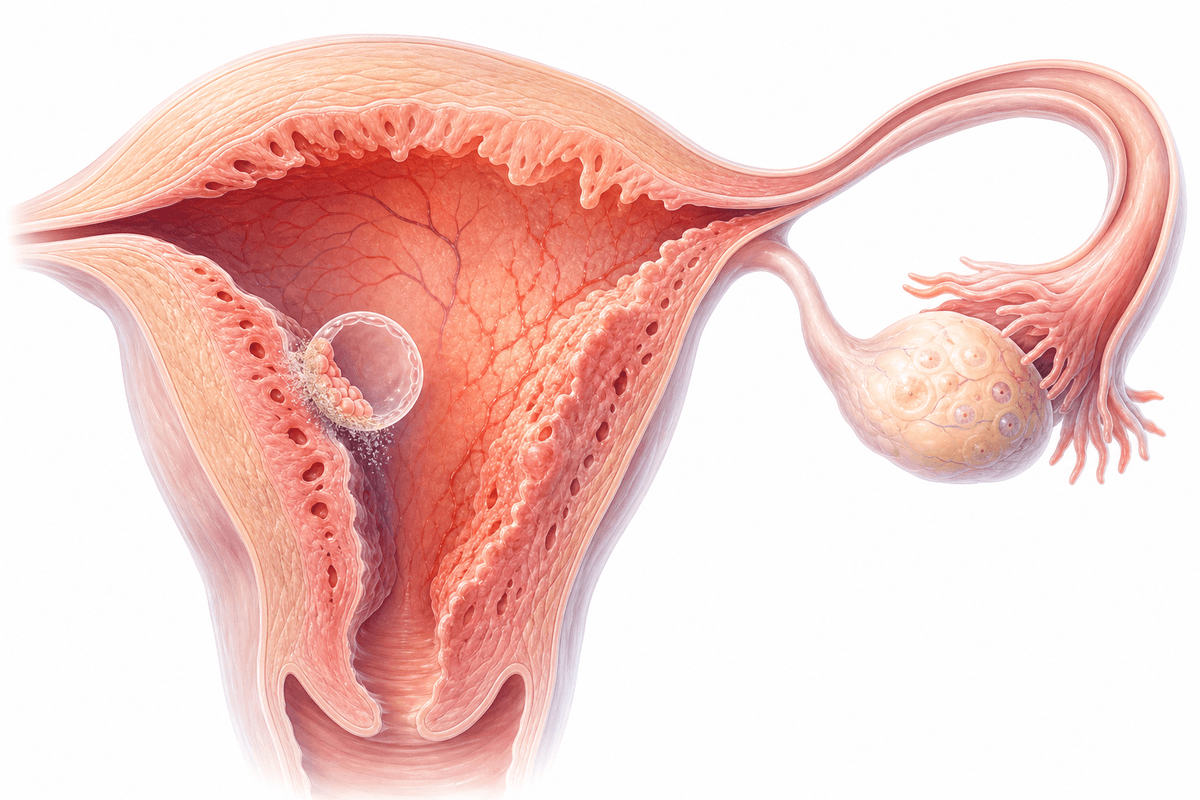
Repeated IVF failures resulting from uterine factors including thin endometrium, chronic endometritis, adenomyosis, fibroids, polyps, or endometrial receptivity problems that compromise embryo implantation.
Multiple factors can contribute to the development and progression of this condition.
Recurrent IVF Failure develops gradually. Recognising symptoms early gives you more treatment options.
From conservative to surgical — we always start with the least invasive option first.
A structured, patient-first approach from first visit to full recovery.
Mathrusri IVF Clinic conducts detailed evaluation including genetic karyotyping, thrombophilia screening, immunological tests, hysteroscopy, ERA testing, and semen DNA fragmentation analysis to identify all possible contributing factors to recurrent failure.
Dr. Y. Pramoda creates individualized treatment plans based on investigation findings, incorporating advanced techniques like PGT-A, customized endometrial preparation, immunotherapy, or surgical correction tailored to address specific causes identified in each couple.
Our embryology lab employs time-lapse imaging, extended culture to blastocyst stage, assisted hatching when indicated, and optimal embryo selection strategies to maximize the quality of embryos transferred and improve implantation potential.
The clinic provides close monitoring throughout treatment cycles with regular ultrasounds, hormonal assessments, and emotional counseling support. Dr. Pramoda personally reviews each case, adjusts protocols as needed, and maintains open communication with couples throughout their journey.
What to expect at each phase of recovery.
Following embryo transfer, patients are advised to take 2-3 days of bed rest with minimal physical activity. Progesterone support continues, and patients avoid stress while maintaining positive mental attitude during the critical implantation window.
Blood tests for beta-hCG levels are performed 12-14 days post-transfer. If positive, hormonal support continues with regular monitoring through ultrasounds at 6-7 weeks to confirm clinical pregnancy and heartbeat, ensuring proper early pregnancy progression.
Close monitoring continues through first trimester with regular ultrasounds and blood work. Medications are gradually tapered as placenta takes over hormone production. Counseling and reassurance are provided to manage anxiety related to previous failures.
With targeted interventions addressing specific causes of RIF, implantation rates significantly improve, often reaching 40-60% per transfer when underlying issues are identified and properly treated.
Personalized protocols and advanced techniques like PGT-A result in clinical pregnancy rates of 50-70% in patients with recurrent IVF failure when appropriate interventions are implemented based on thorough investigation.
Addressing immunological factors, genetic abnormalities, and uterine pathologies decreases early pregnancy loss rates, allowing more pregnancies to progress beyond first trimester and result in healthy live births.
Comprehensive RIF management culminates in live birth rates of 40-60% over multiple treatment cycles, giving couples who previously experienced repeated failures the opportunity to build their families successfully.
Without proper investigation and treatment of recurrent IVF failure, couples continue to experience repeated unsuccessful cycles, leading to significant financial burden, emotional trauma, and psychological distress. The underlying causes remain unaddressed, resulting in continued implantation failures and potential progression of treatable conditions like endometriosis or fibroids that may further compromise fertility over time.
Consult Dr. Y. Pramoda at Mathrusri IVF Clinic after experiencing two or more failed IVF cycles with good quality embryos, or earlier if you have risk factors like advanced maternal age, recurrent miscarriages, or known medical conditions. Early specialized evaluation after repeated failures allows timely identification of underlying causes and implementation of appropriate interventions, improving chances of successful pregnancy. Seek immediate consultation if experiencing multiple biochemical pregnancies or early losses after IVF.
Early treatment means more options and better outcomes. Book a consultation to understand your condition and explore the right path forward.