Treated by Dr. Y. Pramoda Reddy at Dr. Y. Pramoda Reddy Fertility Specialist in Kadapa
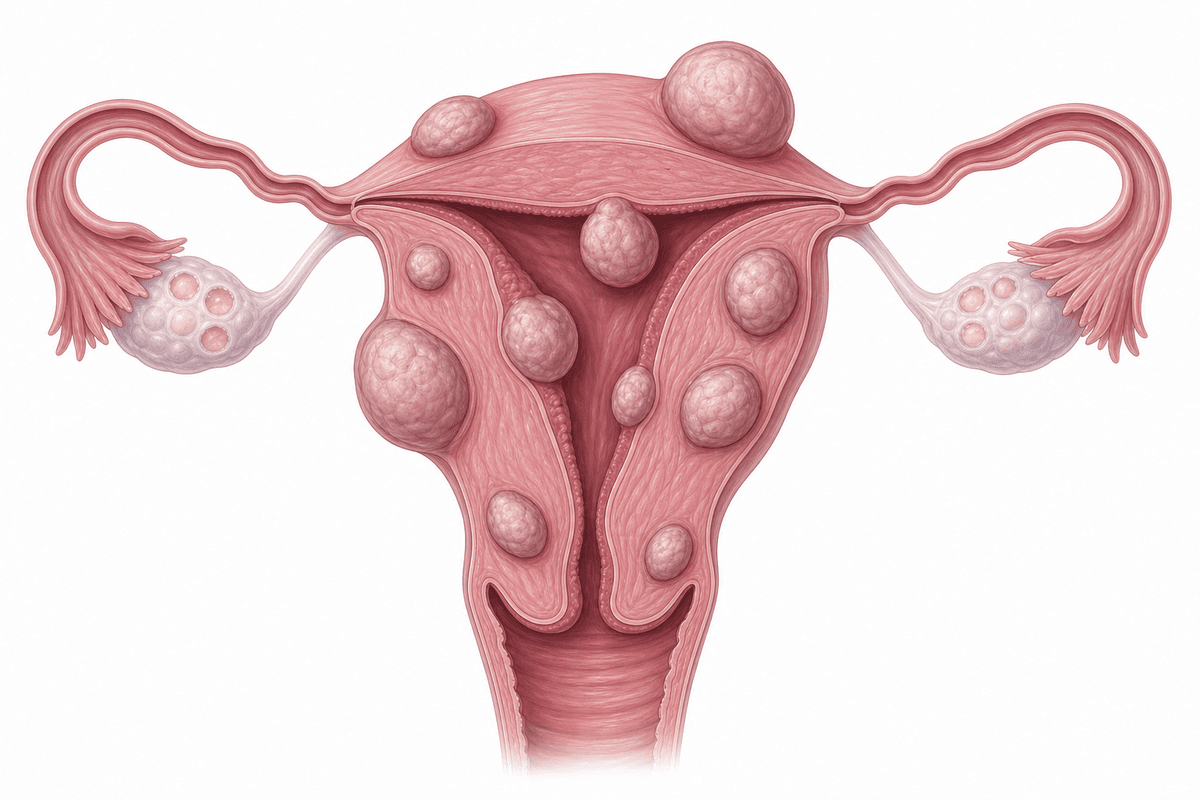
Uterine fibroids are non-cancerous growths that develop in or around the uterus, affecting many women of reproductive age in Kadapa. These benign tumors can range from tiny seedlings to large masses that may distort the uterine cavity and impact fertility. At Mathrusri IVF Clinic, Dr. Y. Pramoda provides specialized diagnosis and treatment for uterine fibroids with a focus on preserving fertility and reproductive health.
The most common type that grows within the muscular wall of the uterus. These fibroids can cause the uterus to enlarge and may lead to heavy menstrual bleeding and pelvic pressure. They can significantly impact fertility by distorting the uterine cavity.
These fibroids project into the uterine cavity and grow just beneath the inner lining of the uterus. Even when small, they can cause heavy prolonged menstrual periods and are most likely to cause fertility problems and recurrent miscarriages.
These develop on the outer wall of the uterus and grow outward into the pelvis. They typically cause fewer menstrual symptoms but can create pressure on surrounding organs like the bladder or rectum as they grow larger.
Multiple factors can contribute to the development and progression of this condition.
Uterine Fibroids develops gradually. Recognising symptoms early gives you more treatment options.
From conservative to surgical — we always start with the least invasive option first.
A structured, patient-first approach from first visit to full recovery.
Dr. Y. Pramoda conducts thorough pelvic examinations and advanced transvaginal ultrasound imaging to accurately identify the size, number, and location of fibroids. Additional tests including MRI or saline sonohysterography may be performed to assess impact on the uterine cavity and fertility potential.
Based on diagnostic findings and your reproductive goals, our team at Mathrusri IVF Clinic develops a personalized treatment strategy. We prioritize minimally invasive options and fertility-preserving approaches, considering factors like fibroid characteristics, symptom severity, and your plans for future pregnancy.
When surgery is indicated, Dr. Y. Pramoda performs fertility-sparing myomectomy using advanced laparoscopic or hysteroscopic techniques. Our state-of-the-art facility ensures precise fibroid removal with minimal impact on healthy uterine tissue, optimizing your chances for successful conception and pregnancy afterward.
Following fibroid treatment, we provide comprehensive fertility monitoring and reproductive counseling at Mathrusri IVF Clinic. Our team guides you on optimal timing for conception attempts and offers assisted reproductive technologies like IVF if needed to help you achieve your family-building goals.
What to expect at each phase of recovery.
For the first 1-2 weeks following treatment, patients experience mild cramping and discharge. Pain management medications are prescribed, and rest is recommended. Most patients can resume light activities within a few days, though heavy lifting should be avoided.
During weeks 2-6, the uterus heals and returns to normal function. Menstrual cycles typically regulate during this time. Follow-up ultrasounds monitor healing progress and ensure proper uterine recovery. Patients gradually return to normal activities under medical guidance.
After 6-12 weeks, patients undergo fertility assessment and reproductive planning consultations. Dr. Y. Pramoda monitors for fibroid recurrence through periodic imaging and evaluates uterine cavity integrity. Patients receive clearance for conception attempts based on individual healing progress.
Most patients experience significant reduction in heavy menstrual bleeding, pelvic pain, and pressure symptoms within 3-6 months of treatment. Quality of life improves substantially with return to normal daily activities and elimination of anemia-related fatigue.
Fertility-sparing treatments successfully preserve reproductive potential in over 85% of cases. The uterine cavity returns to normal shape and function, creating optimal conditions for embryo implantation and pregnancy maintenance with reduced miscarriage risk.
Women who undergo myomectomy have pregnancy rates comparable to the general population when other fertility factors are normal. The majority achieve successful conception within 12-18 months post-treatment with proper fertility support and monitoring.
With appropriate surgical technique and hormonal management, fibroid recurrence rates remain below 20% over five years. Regular monitoring at Mathrusri IVF Clinic ensures early detection and intervention if new fibroids develop, maintaining long-term reproductive health.
Untreated uterine fibroids can continue growing and cause increasingly severe symptoms including debilitating anemia from chronic heavy bleeding, significant pelvic pain, and urinary or bowel dysfunction from mass effect. Fertility can be severely compromised with increased risk of miscarriage, preterm labor, abnormal fetal positioning, and complete inability to conceive if the uterine cavity becomes significantly distorted. Large fibroids may also cause complications during pregnancy including placental abruption and obstruction of labor.
You should consult Dr. Y. Pramoda at Mathrusri IVF Clinic if you experience heavy menstrual periods lasting more than 7 days, pelvic pain or pressure that interferes with daily activities, difficulty emptying your bladder, or unexplained lower back pain. Immediate evaluation is essential if you are experiencing difficulty conceiving after 6-12 months of trying, have had recurrent pregnancy losses, or notice rapid abdominal enlargement. Women with known fibroids planning pregnancy should seek pre-conception counseling to optimize reproductive outcomes.
Early treatment means more options and better outcomes. Book a consultation to understand your condition and explore the right path forward.