Performed by Dr. Y. Pramoda Reddy at Dr. Y. Pramoda Reddy Fertility Specialist in Kadapa
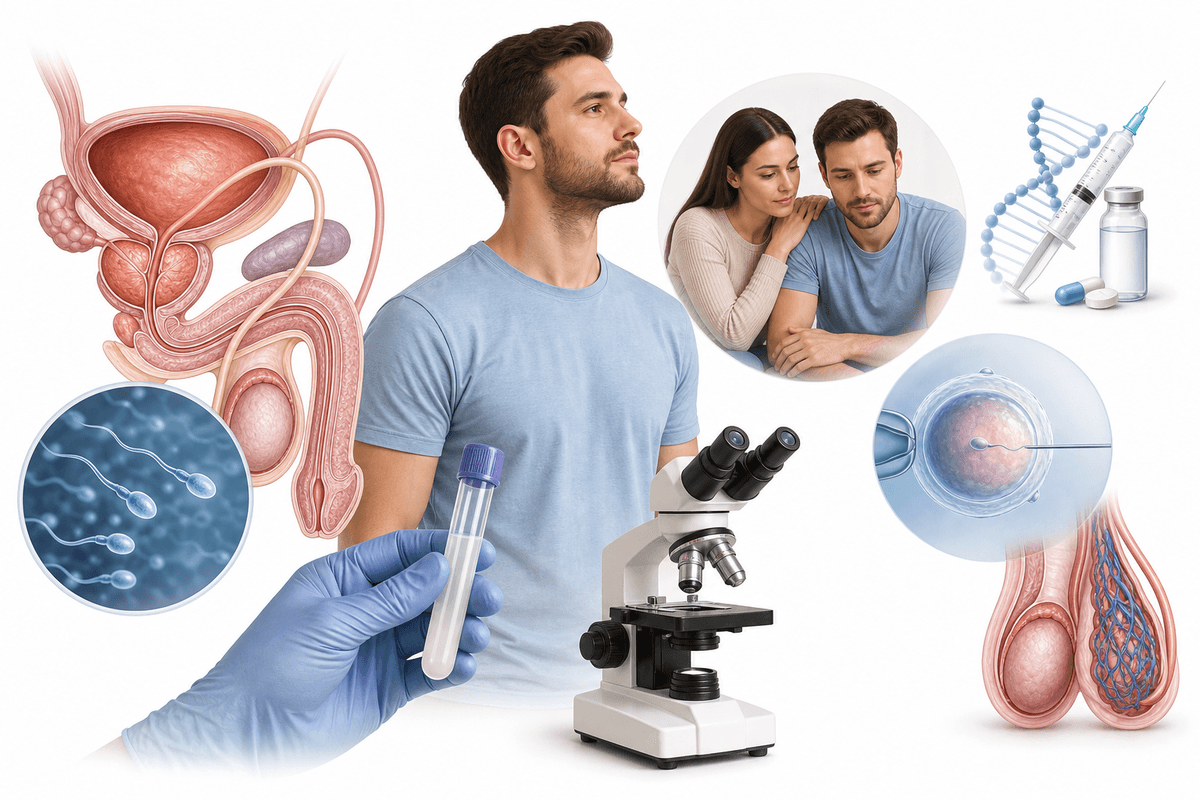
Male Infertility Management in Kadapa addresses the various causes of male reproductive challenges through comprehensive evaluation and targeted treatment protocols. Our clinic employs advanced diagnostic techniques including semen analysis, hormonal assessments, and genetic testing to identify underlying factors affecting fertility. Dr. Y. Pramoda at Mathrusri IVF Clinic provides personalized treatment plans combining medical, surgical, and assisted reproductive technologies to optimize the chances of conception.
We believe in honest, upfront disclosure so you can make an informed decision.
A step-by-step look at what happens during this procedure.
Comprehensive evaluation of medical history, lifestyle factors, sexual habits, previous illnesses, surgeries, medications, and family history to identify potential causes of infertility.
Semen analysis to assess sperm count, motility, morphology, and volume. Hormonal blood tests measure testosterone, FSH, LH, and prolactin levels. Additional tests may include genetic screening, scrotal ultrasound, or testicular biopsy.
Analysis of test results to identify specific causes such as varicocele, hormonal imbalances, infections, genetic factors, or lifestyle issues. Development of personalized treatment strategy based on findings.
Treatment may include hormonal medications to correct imbalances, antibiotics for infections, surgical repair of varicocele, or sperm retrieval procedures for azoospermia. Lifestyle modifications and nutritional supplements are recommended.
If natural conception remains challenging, advanced procedures like intrauterine insemination (IUI), in vitro fertilization (IVF), or intracytoplasmic sperm injection (ICSI) are employed using the partner's treated or retrieved sperm.
A structured, patient-first approach from first consultation to full recovery.
Mathrusri IVF Clinic utilizes state-of-the-art laboratory equipment for precise semen analysis, hormonal profiling, and genetic testing. Dr. Y. Pramoda ensures thorough evaluation to identify all contributing factors to male infertility.
We design individualized treatment plans based on specific diagnostic findings, combining medical management, surgical options, and lifestyle counseling. Each protocol is tailored to the patient's unique fertility profile and reproductive goals.
For cases of azoospermia or severe oligospermia, our clinic offers surgical sperm retrieval procedures including TESA, PESA, and micro-TESE performed with precision to maximize sperm recovery for assisted reproduction.
Regular follow-up appointments track treatment progress through repeat semen analysis and hormonal assessments. Dr. Y. Pramoda provides continuous counseling and adjusts treatment strategies to optimize outcomes and support couples throughout their fertility journey.
What to expect at each stage of your recovery journey.
For diagnostic procedures like semen analysis, no recovery is needed. After surgical interventions such as varicocele repair or sperm retrieval, patients may experience mild discomfort, swelling, or bruising for 2-3 days requiring rest and pain management.
Patients undergoing surgical treatment should avoid heavy lifting and strenuous activities for 1-2 weeks. Sexual activity may be restricted for 7-14 days depending on the procedure. Most men return to normal activities within 1-2 weeks with gradual resumption of exercise.
Ongoing lifestyle modifications including healthy diet, regular exercise, stress management, and avoidance of toxins are essential. Hormonal or medical treatments may continue for several months with regular monitoring. Sperm parameters typically improve within 3-6 months of treatment initiation.
Medical and surgical treatments often result in significant improvement in sperm count, motility, and morphology within 3-6 months, increasing the likelihood of natural conception or success with assisted reproductive technologies.
Many couples achieve pregnancy naturally following male infertility treatment, particularly when treatable conditions like varicocele, infections, or hormonal imbalances are corrected through appropriate interventions.
For men requiring assisted reproduction, treatment optimization significantly improves outcomes with IUI, IVF, and ICSI procedures. Even minimal sperm improvement can dramatically increase fertilization rates and embryo quality.
Male infertility evaluation often identifies underlying health conditions such as hormonal disorders, genetic conditions, or lifestyle factors. Addressing these issues improves not only fertility but overall health, vitality, and quality of life.
Let's clear up some of the most common myths about male infertility management.
Get a personalised assessment from an experienced specialist. Understand your options, ask your questions, and decide with confidence.