Treated by Dr. Y. Pramoda Reddy at Dr. Y. Pramoda Reddy Fertility Specialist in Kadapa
Blocked fallopian tubes in Kadapa affect women's fertility by preventing eggs from reaching the uterus and sperm from reaching the egg. This common cause of infertility can occur in one or both tubes due to infections, endometriosis, or previous surgeries. Dr. Y. Pramoda at Mathrusri IVF Clinic provides comprehensive evaluation and advanced treatment options to help couples overcome tubal blockage and achieve pregnancy.
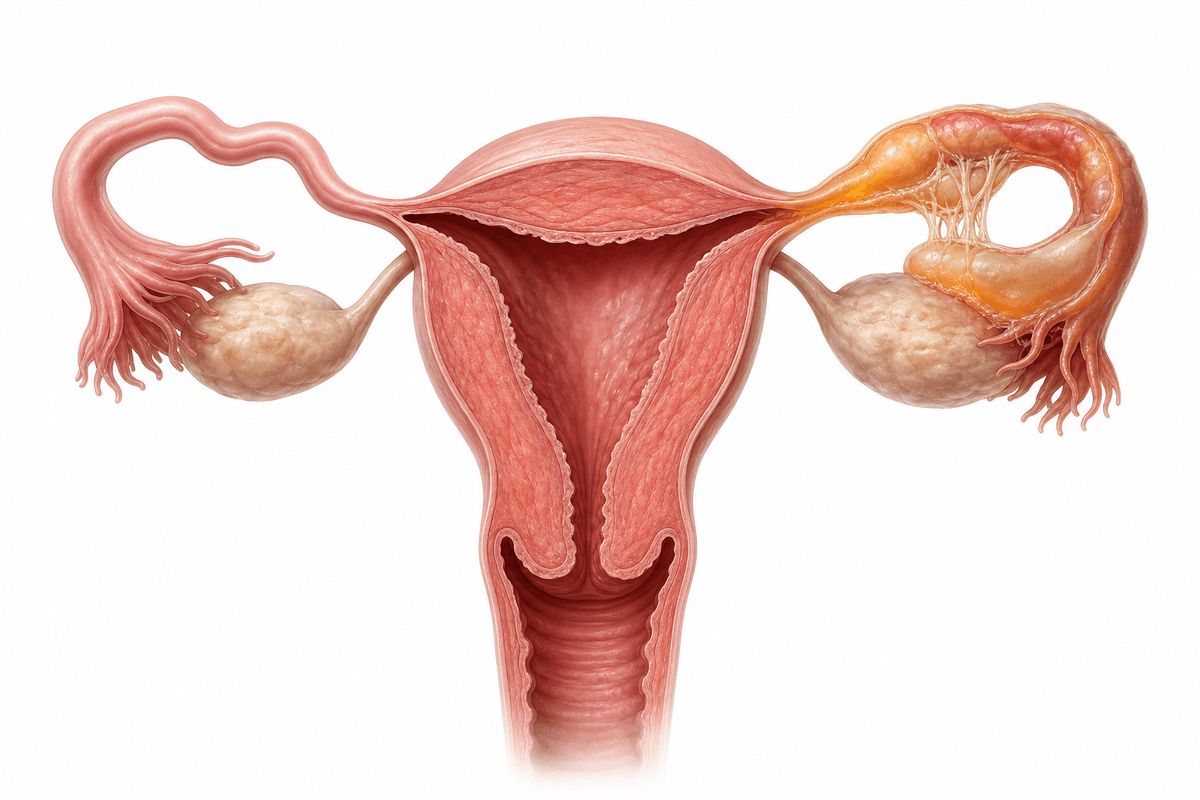
Blockage occurs at the junction where the fallopian tube connects to the uterus, often caused by mucus plugs, scar tissue, or inflammation. This type may be amenable to selective tubal cannulation.
Obstruction in the middle portion of the fallopian tube, typically resulting from tubal ligation damage, infection-related scarring, or ectopic pregnancy complications requiring surgical intervention.
Blockage near the fimbriated end of the tube with fluid accumulation, commonly caused by pelvic inflammatory disease, endometriosis, or previous pelvic surgery, creating a fluid-filled swollen tube.
Multiple factors can contribute to the development and progression of this condition.
Blocked Fallopian Tubes develops gradually. Recognising symptoms early gives you more treatment options.
From conservative to surgical — we always start with the least invasive option first.
A structured, patient-first approach from first visit to full recovery.
Dr. Y. Pramoda conducts detailed medical history review, physical examination, and orders hysterosalpingography (HSG) or diagnostic laparoscopy to accurately diagnose the location and extent of tubal blockage in Kadapa.
Mathrusri IVF Clinic evaluates each patient's age, ovarian reserve, duration of infertility, and blockage type to recommend the most appropriate treatment pathway, whether surgical repair or IVF.
Our clinic provides state-of-the-art facilities for tubal procedures or IVF treatment with experienced embryologists, modern laboratory equipment, and continuous monitoring throughout the treatment cycle.
Dr. Pramoda ensures regular follow-up consultations, pregnancy monitoring, and emotional support throughout the fertility journey, adjusting treatment plans based on individual response and outcomes.
What to expect at each phase of recovery.
Rest is recommended after diagnostic procedures or treatments. Mild cramping and spotting are normal. Patients can resume light activities within 24-48 hours for minimally invasive procedures.
Following surgical procedures, avoid heavy lifting and strenuous exercise. Resume normal activities gradually. After IVF embryo transfer, maintain normal gentle activity while awaiting pregnancy test results.
Regular follow-up appointments track treatment effectiveness. After tubal surgery, HSG may be repeated to confirm patency. Timed intercourse or IVF cycles are planned according to the chosen treatment pathway.
Successful tubal surgery may restore natural fertility with pregnancy rates of 20-40% depending on blockage severity, patient age, and extent of damage. Success is highest with minimal disease.
IVF bypassing blocked tubes offers pregnancy rates of 40-60% per cycle for women under 35, with cumulative success rates exceeding 70% over multiple cycles at Mathrusri IVF Clinic.
Proper treatment and monitoring minimize ectopic pregnancy risk. IVF eliminates tubal ectopic pregnancy risk by direct uterine embryo placement, while surgical repair requires careful post-operative monitoring.
Treatment resolves chronic pelvic pain associated with hydrosalpinx or infections, improves overall reproductive health, and fulfills family-building goals through successful pregnancy achievement.
Untreated blocked fallopian tubes result in persistent infertility, preventing natural conception entirely. Hydrosalpinx can reduce IVF success rates by 50% due to toxic fluid affecting embryo implantation. Chronic pelvic infections may worsen, causing ongoing pain and potentially affecting overall reproductive health and quality of life.
Consult Dr. Y. Pramoda at Mathrusri IVF Clinic in Kadapa if you have been unable to conceive after 12 months of regular unprotected intercourse (or 6 months if over age 35). Seek immediate evaluation if you experience severe pelvic pain, history of pelvic infections, previous ectopic pregnancy, or known risk factors for tubal disease.
Early treatment means more options and better outcomes. Book a consultation to understand your condition and explore the right path forward.