Treated by Dr. Y. Pramoda Reddy at Dr. Y. Pramoda Reddy Fertility Specialist in Kadapa
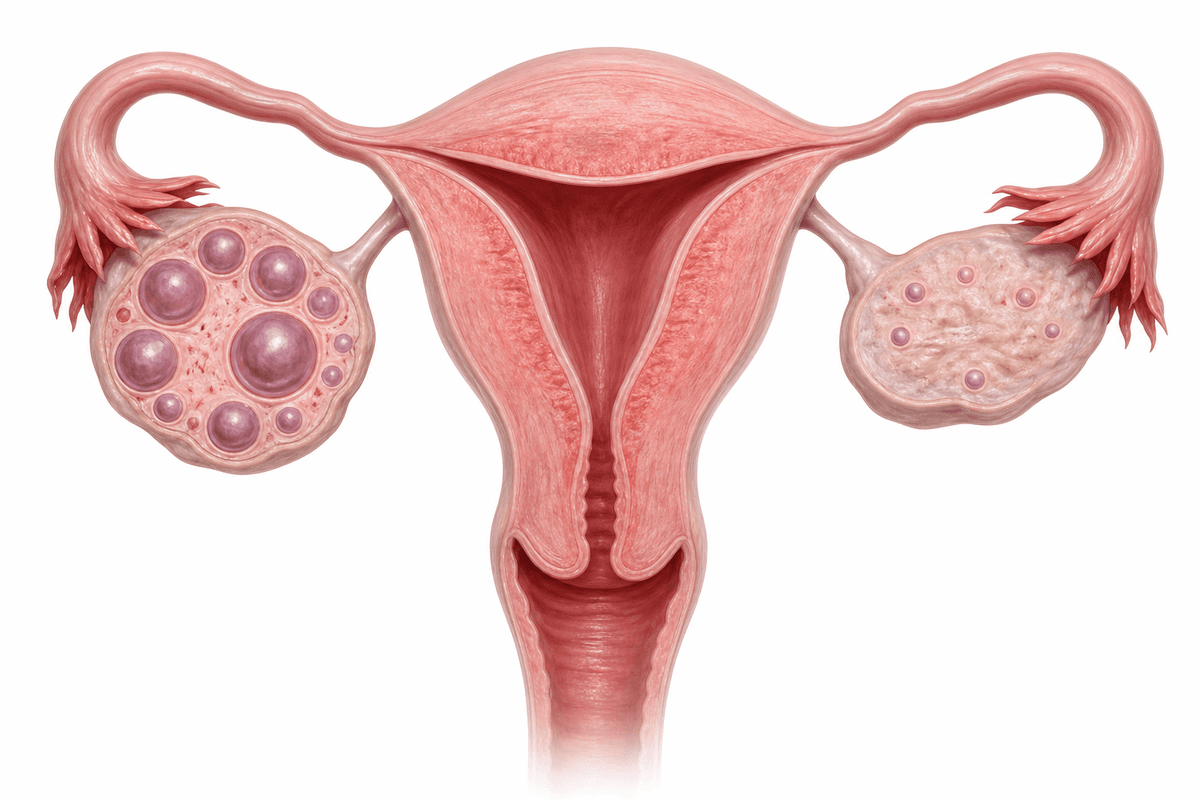
Low Ovarian Reserve refers to a reduced quantity or quality of eggs in the ovaries, affecting fertility potential for women in Kadapa and surrounding regions. This condition becomes increasingly common with advancing age but can also affect younger women due to various factors. Women experiencing difficulty conceiving may have diminished ovarian reserve, making it crucial to seek timely evaluation and treatment at Mathrusri IVF Clinic under the expert guidance of Dr. Y. Pramoda, a leading fertility specialist in Kadapa.
Natural decrease in egg quantity and quality occurring as women age, particularly after 35 years, representing the most common form of diminished ovarian reserve affecting fertility outcomes.
Early decline in ovarian function occurring before age 40, characterized by reduced egg reserve and irregular menstrual cycles, often requiring specialized fertility interventions for conception.
Diminished egg reserve resulting from medical treatments such as chemotherapy, radiation therapy, or ovarian surgery that damages or removes ovarian tissue, impacting future fertility potential.
Multiple factors can contribute to the development and progression of this condition.
Low Ovarian Reserve develops gradually. Recognising symptoms early gives you more treatment options.
From conservative to surgical — we always start with the least invasive option first.
A structured, patient-first approach from first visit to full recovery.
At Mathrusri IVF Clinic, Dr. Y. Pramoda conducts thorough evaluation including detailed medical history, hormone testing (AMH, FSH, LH, estradiol), transvaginal ultrasound for antral follicle count, and assessment of overall reproductive health to accurately diagnose the extent of ovarian reserve reduction.
Based on diagnostic findings, age, and individual circumstances, our team develops customized treatment protocols that may include lifestyle modifications, nutritional supplements, optimized stimulation regimens, or advanced reproductive technologies tailored to maximize success rates with available ovarian reserve.
Dr. Y. Pramoda employs state-of-the-art laboratory technology and modified stimulation protocols specifically designed for low responders, ensuring gentle yet effective ovarian stimulation, precise monitoring, optimal egg retrieval timing, and advanced embryology techniques to enhance treatment outcomes.
Mathrusri IVF Clinic provides continuous emotional support, counseling services, and comprehensive post-treatment monitoring including pregnancy care or planning for subsequent cycles if needed, ensuring patients receive holistic care throughout their fertility journey with regular communication and guidance.
What to expect at each phase of recovery.
Following egg retrieval, patients typically experience mild cramping and bloating for 1-2 days. Rest is recommended for 24 hours with gradual return to normal activities. Pain medication may be prescribed, and patients are monitored for any complications before embryo transfer.
After embryo transfer, patients enter a crucial waiting period before pregnancy testing. Progesterone supplementation continues to support potential implantation. Mild activities are permitted while avoiding strenuous exercise, heavy lifting, and stress. Emotional support is provided throughout this anxious period.
If pregnancy is achieved, close monitoring continues with serial beta-hCG blood tests and early ultrasounds to confirm viability. Hormonal support typically continues through the first trimester. Dr. Y. Pramoda coordinates care with obstetricians to ensure smooth transition to routine prenatal care.
With appropriate treatment protocols tailored to individual ovarian reserve status, many women achieve successful pregnancies. Success rates vary based on age, remaining egg quality, and treatment approach, with younger patients and those using donor eggs experiencing higher success rates.
Optimized stimulation protocols and pre-treatment interventions can enhance both the quantity and quality of eggs retrieved, leading to better embryo development and improved chances of implantation, even with diminished ovarian reserve.
Comprehensive assessment and counseling help patients understand their fertility potential and make informed decisions about treatment options, timing, and alternatives including donor eggs or adoption, empowering them to pursue the best path for their family-building goals.
Early intervention and timely treatment prevent the progression to complete ovarian failure, preserving remaining fertility potential and providing opportunities for conception that might otherwise be lost with delayed treatment.
Without appropriate treatment, low ovarian reserve progressively worsens, eventually leading to premature menopause and complete loss of fertility potential. The window of opportunity for achieving pregnancy with one's own eggs becomes increasingly narrow as remaining eggs continue to decline in both quantity and quality. Delayed intervention significantly reduces treatment success rates and may necessitate the use of donor eggs or other alternatives, limiting reproductive options and potentially causing emotional distress and regret about missed opportunities for earlier intervention.
Women over 35 experiencing difficulty conceiving after six months of trying, or those under 35 who have been unsuccessful after one year, should seek fertility evaluation in Kadapa. Additionally, women with irregular menstrual cycles, family history of early menopause, previous ovarian surgery, or exposure to chemotherapy or radiation should consult Dr. Y. Pramoda at Mathrusri IVF Clinic for early assessment. Prompt evaluation enables timely intervention while fertility potential remains, maximizing treatment success rates and preserving reproductive options before further decline occurs.
Early treatment means more options and better outcomes. Book a consultation to understand your condition and explore the right path forward.